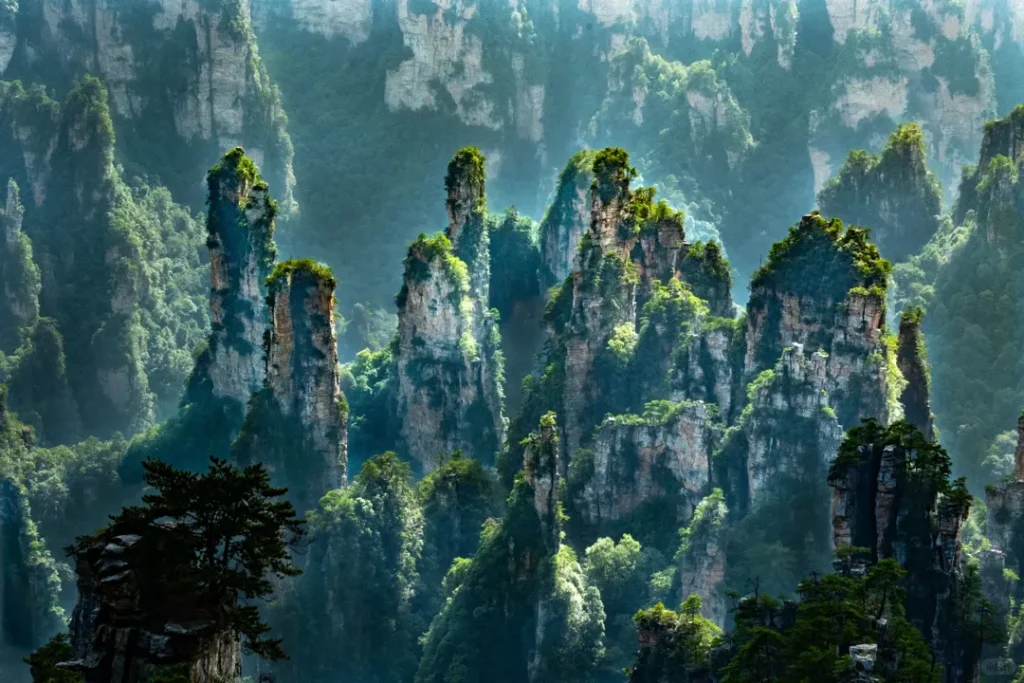
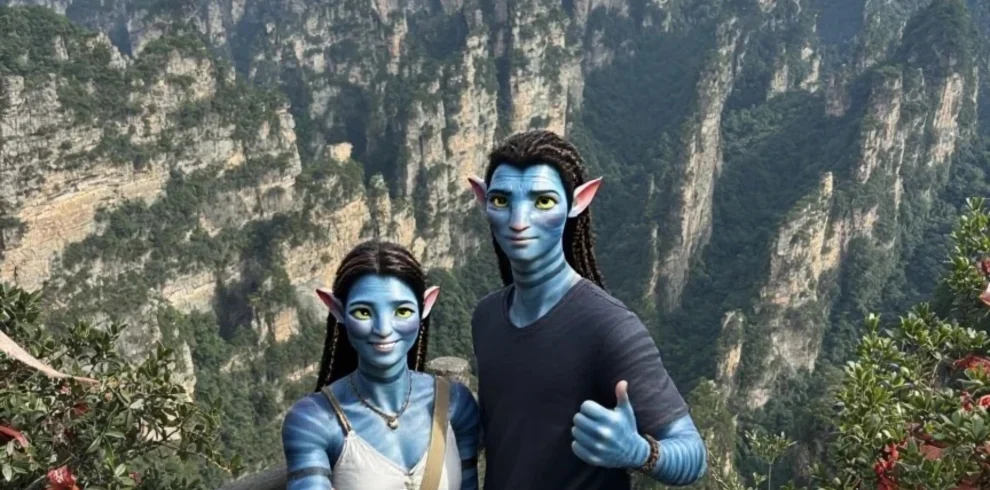
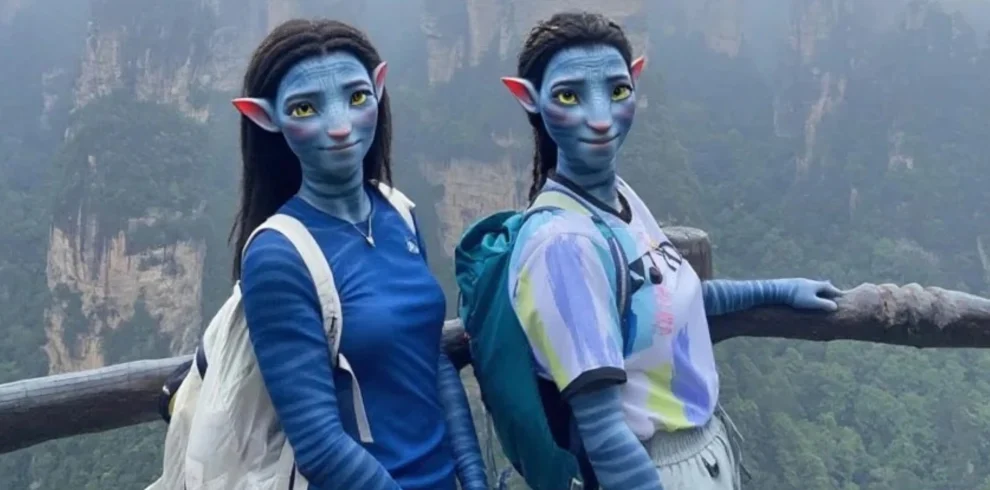
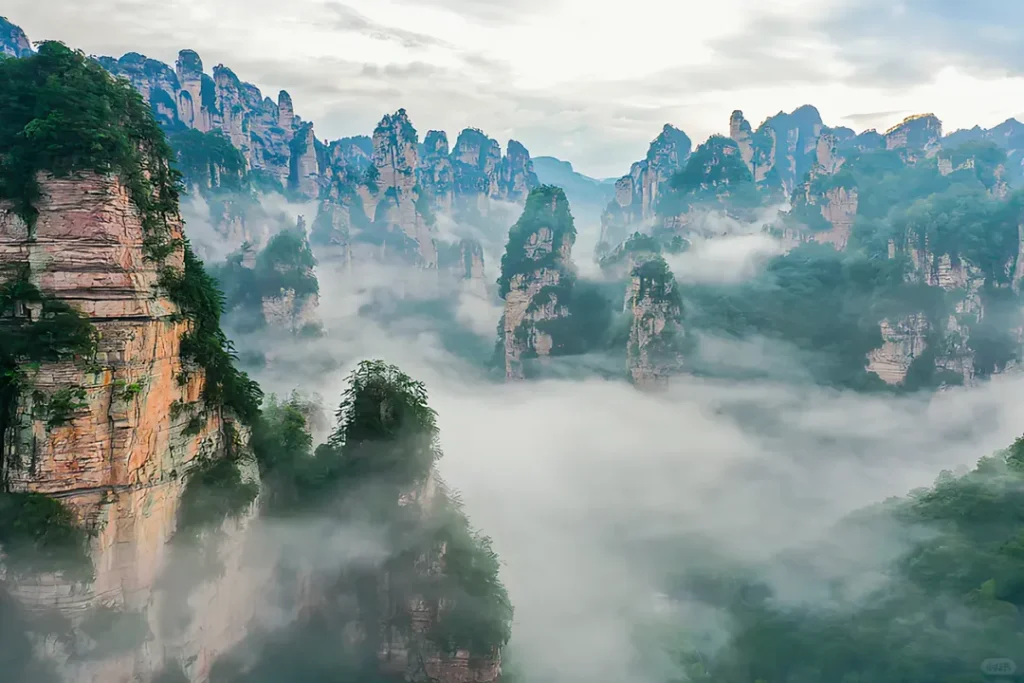
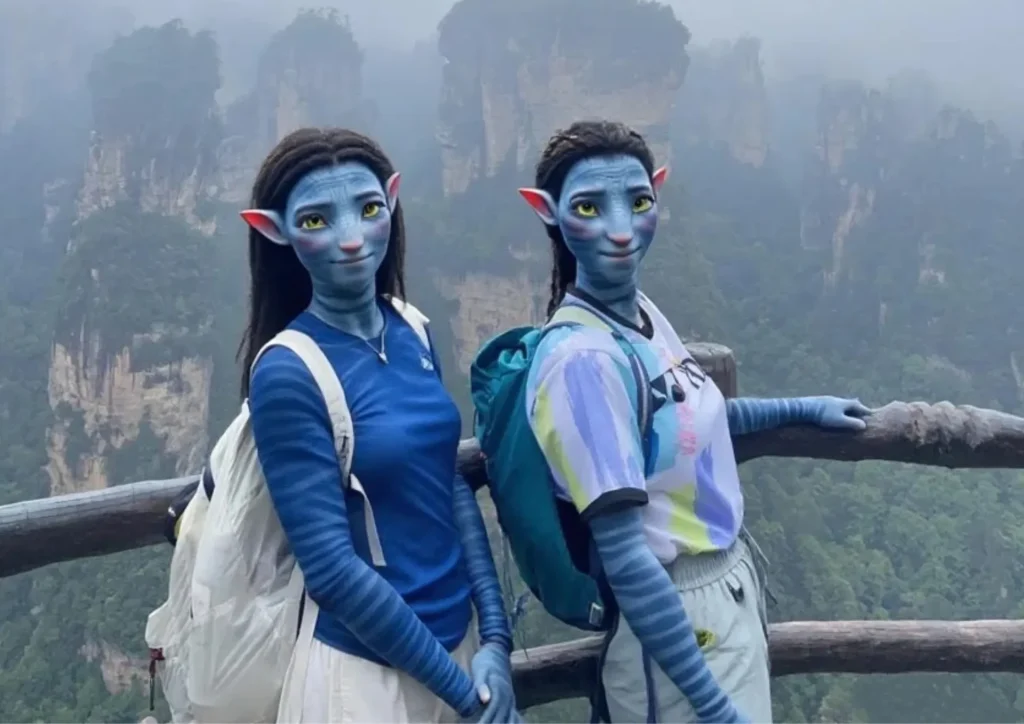
Nestled in the northwest of Hunan Province, Zhangjiajie is one of China’s most spectacular natural marvels. Renowned for its towering quartzite sandstone pillars, lush forests, and mist-shrouded landscapes, this UNESCO World Heritage site inspired the floating mountains in Avatar, earning it the nickname “Avatar Mountains.” Once a hidden gem, Zhangjiajie now draws travelers worldwide, yet its otherworldly beauty, diverse ecosystems, and rich Tujia culture continue to captivate every visitor.
Quick Facts & Overview
| Item | Detail |
|---|---|
| Location | Zhangjiajie City, Hunan Province, China |
| Distance from Changsha | ~320 km northwest (by road) |
| Valley Length / Area | Zhangjiajie National Forest Park covers ~481 km² |
| Elevation Range | Approx. 500 m to over 1,500 m (from valley floors to peak pillars) |
| UNESCO Status | Inscribed 1992 as a World Natural Heritage site (as part of Wulingyuan Scenic Area) |
| Scenic Features | Over 3,000 sandstone pillars, dense forests, natural bridges, Tianmen Mountain |
| Best Time to Visit | March to May, September to November (mild weather, vibrant foliage) |
Geography, Ecosystem & Formation
Landform Structure & Geology
Flora, Fauna & Conservation
Cultural & Historical Context
- “Avatar Mountains Homeland”: Zhangjiajie’s landscape, dominated by towering quartzite sandstone pillars, inspired the floating mountains in Avatar. It is home to ethnic groups like the Tujia and Miao, whose traditions and folklore have been intertwined with the region’s geography for generations.
- The region’s tourism development took off in the late 20th century. Today, local people participate in the industry through Tujia-style homestays, ethnic handicraft markets, folk dance performances, and guided tours that showcase both nature and culture.
- While not impacted by major earthquakes, Zhangjiajie implements strict ecological protection measures. These include controlling visitor numbers in sensitive areas and conducting regular conservation work to preserve the unique sandstone formations and forest ecosystems.
- In 2025, Zhangjiajie remains a premier travel destination, with attractions such as Avatar Hallelujah Mountain, Tianmen Cave, and the Zhangjiajie Grand Canyon Glass Bridge all fully accessible to tourists.
Top Scenic Spots & Routes
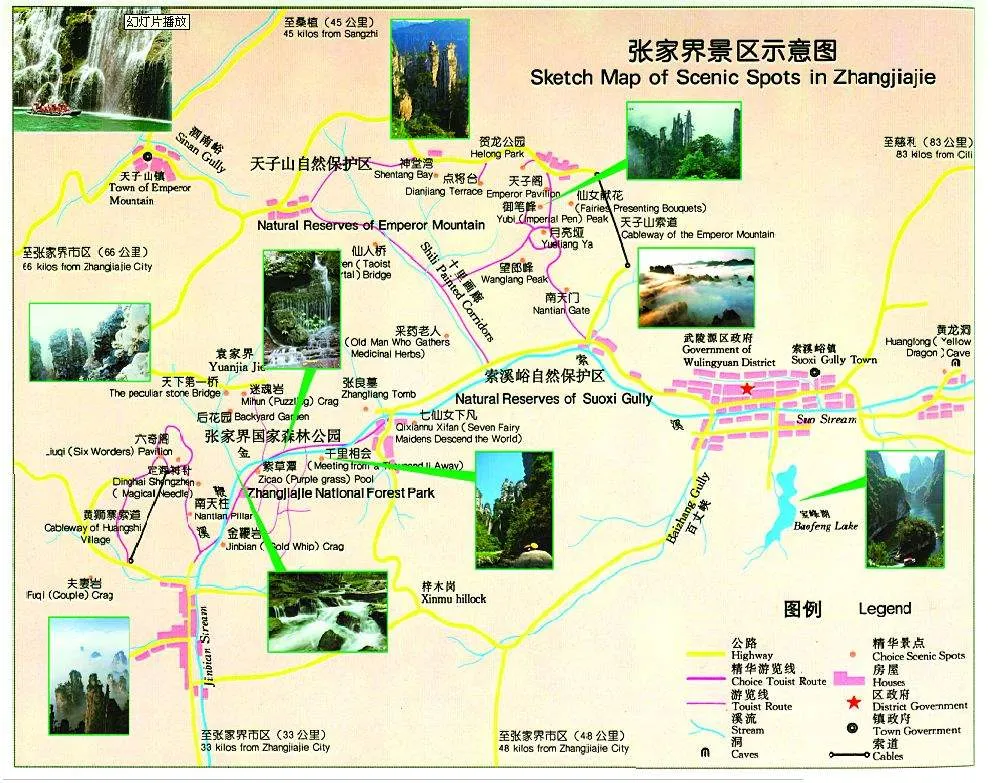
Yuanjiajie Area (Zhangjiajie National Forest Park)
- Avatar Hallelujah Mountain (Qiankun Pillar): The most famous sandstone pillar, known worldwide for its appearance in Avatar.
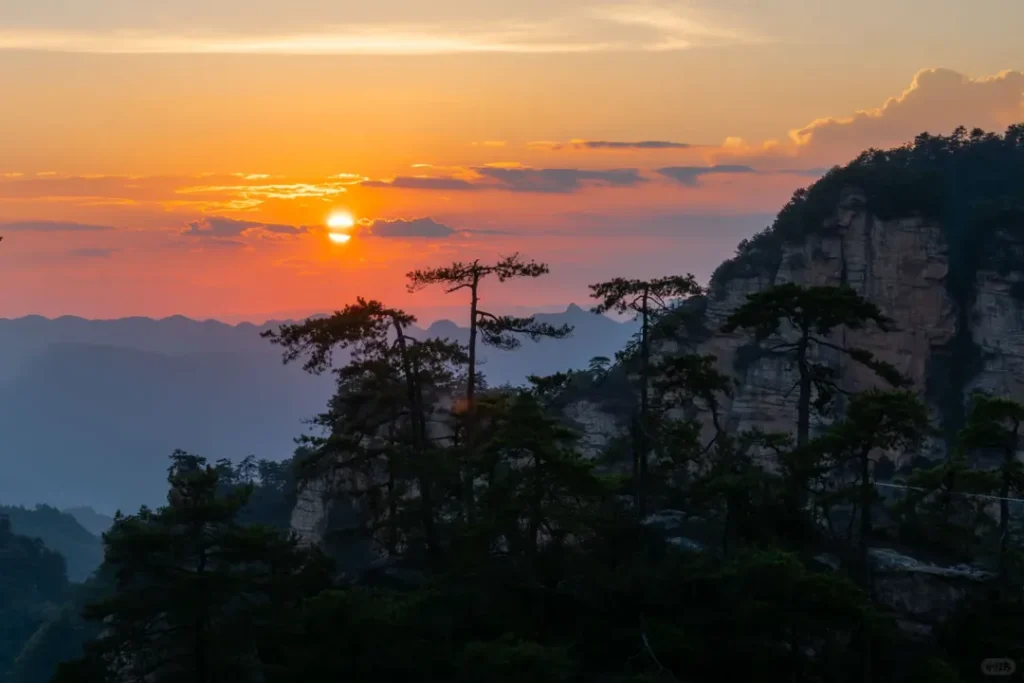
- Tianzi Mountain: Offers breathtaking panoramic views of thousands of peaks, with sunrises and sunsets creating ever-changing landscapes.
- Golden Whip Stream: A serene valley trail with clear streams, lush forests, and unique rock formations like the “Golden Whip Rock”.
Tianmen Mountain Area (Zhangjiajie)
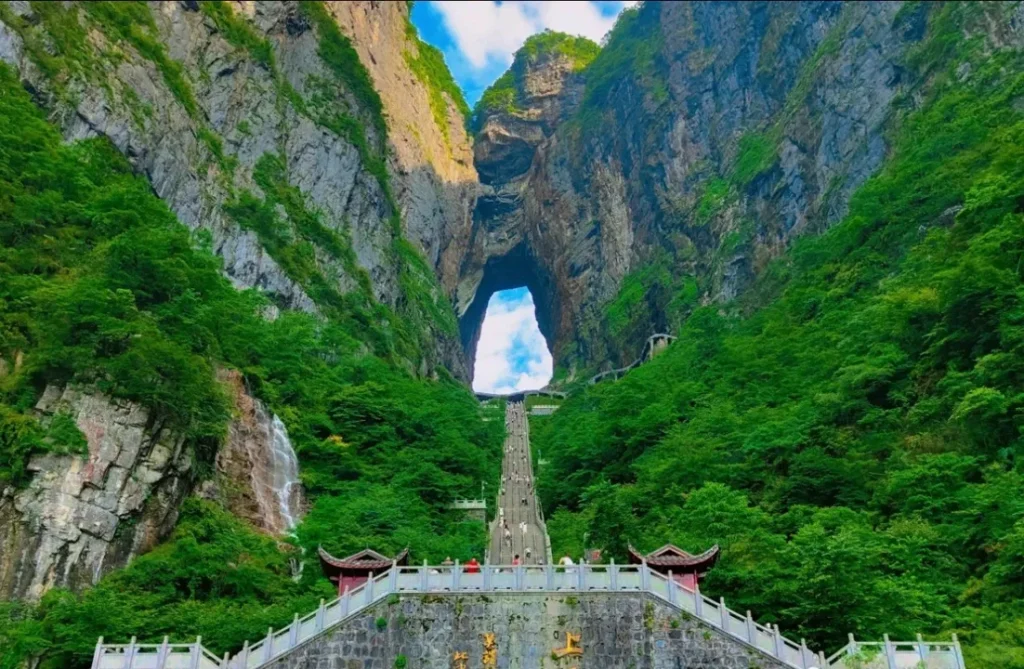
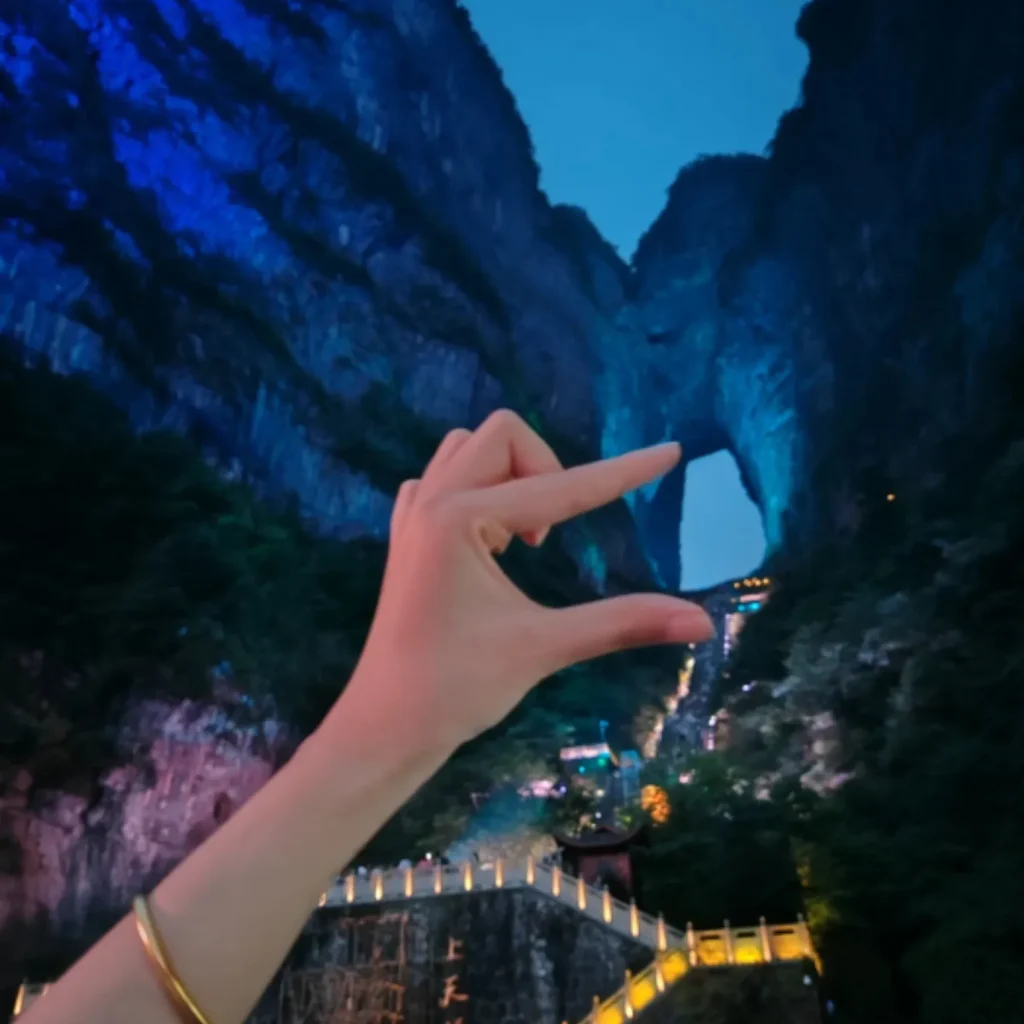
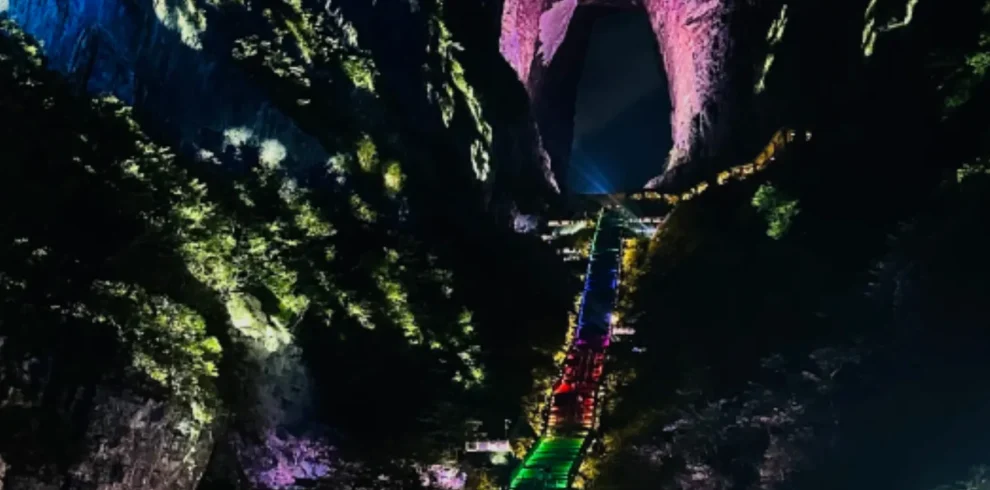
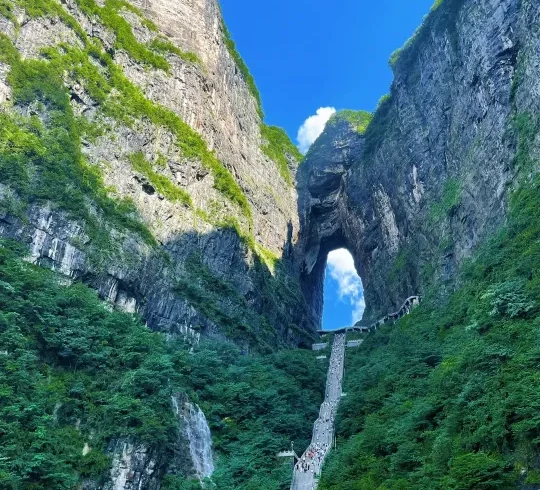
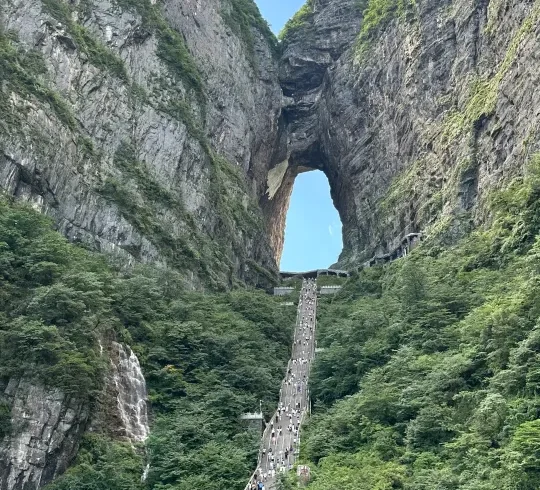
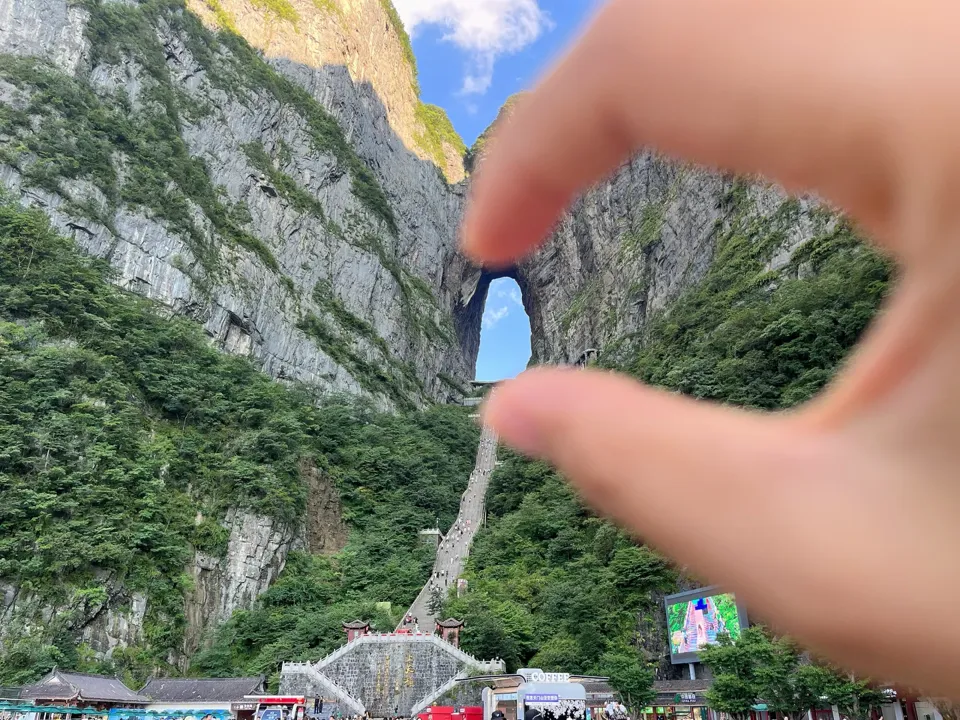
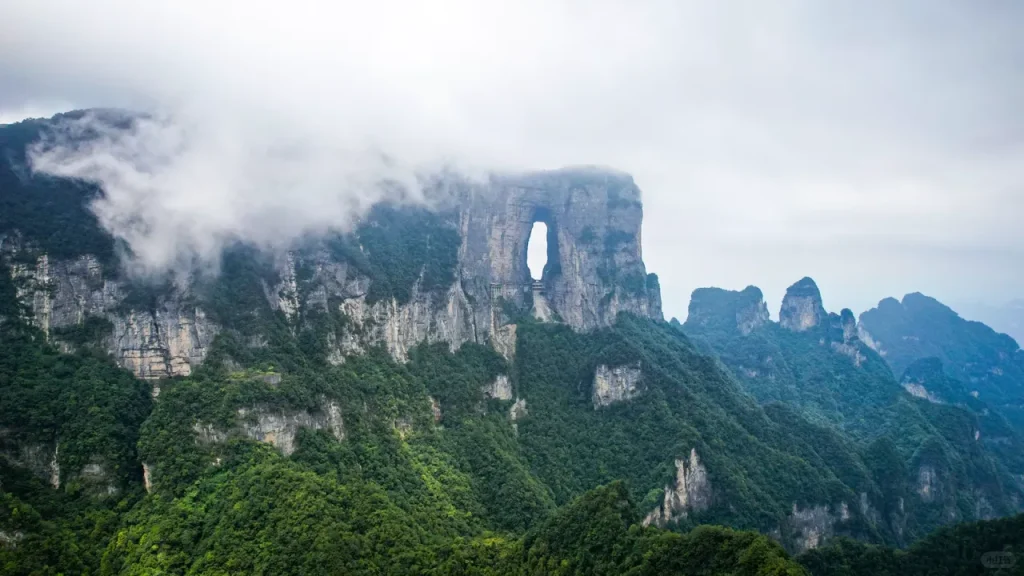
- Tianmen Cave: A massive natural archway, reached by climbing 999 steps—one of the most iconic sights in Zhangjiajie.
- Tianmen Mountain Glass Walkway: A glass pathway clinging to the cliffside, offering dizzying views of the valley below.
- Yunmeng Fairy Summit: The highest point of Tianmen Mountain, with clouds often swirling around, creating a fairy-tale atmosphere.
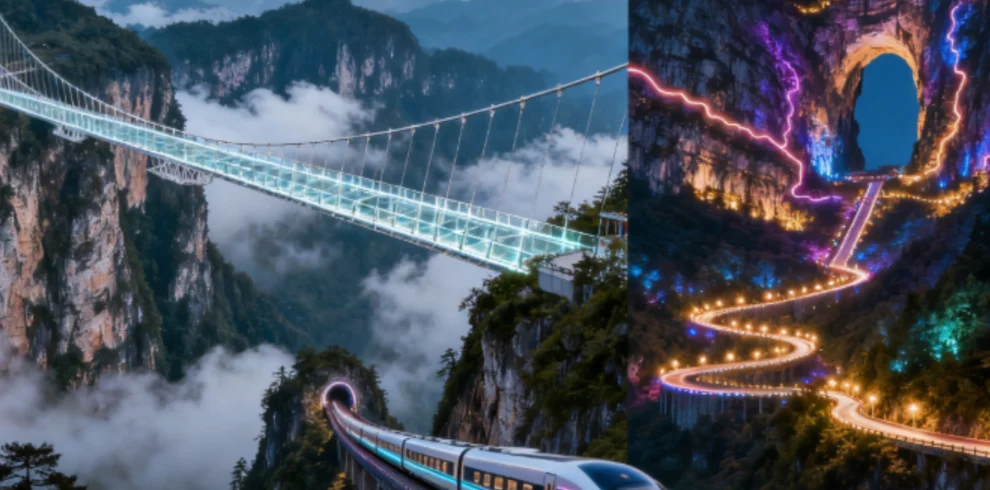
- Big Gate Road (99 Bends): A winding mountain road with 99 turns, a spectacular feat of engineering and a scenic drive.
Zhangjiajie Grand Canyon Area
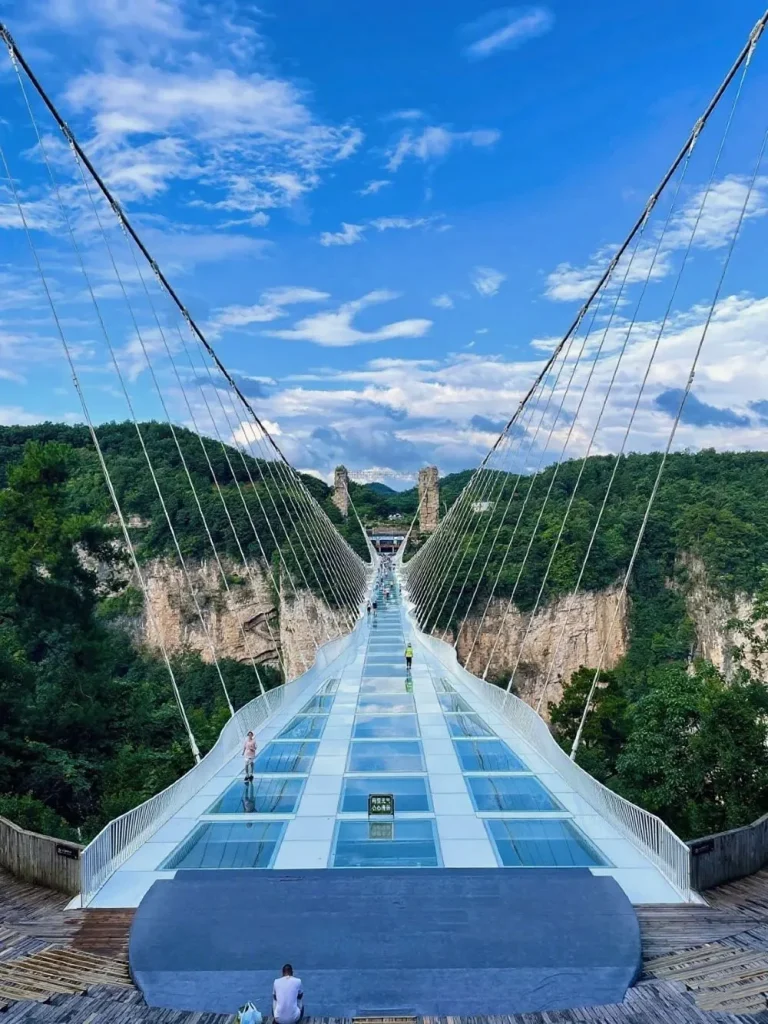
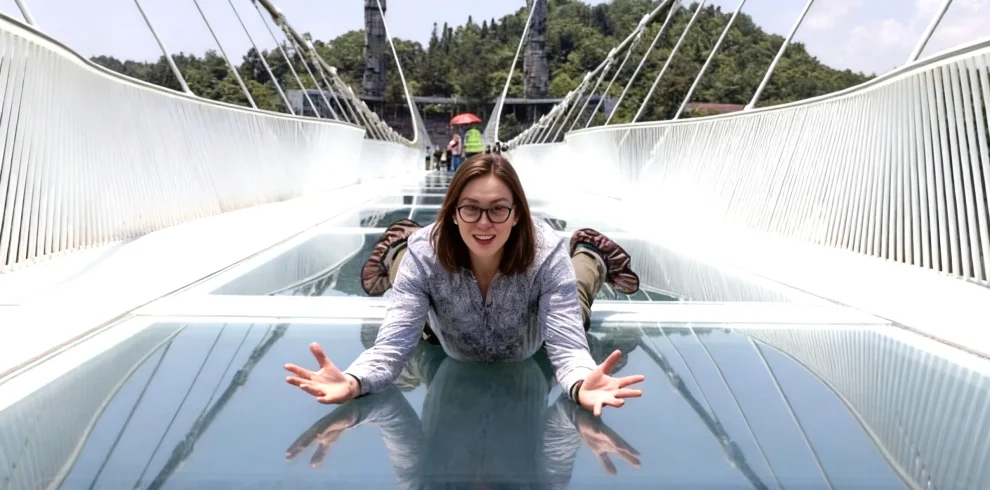
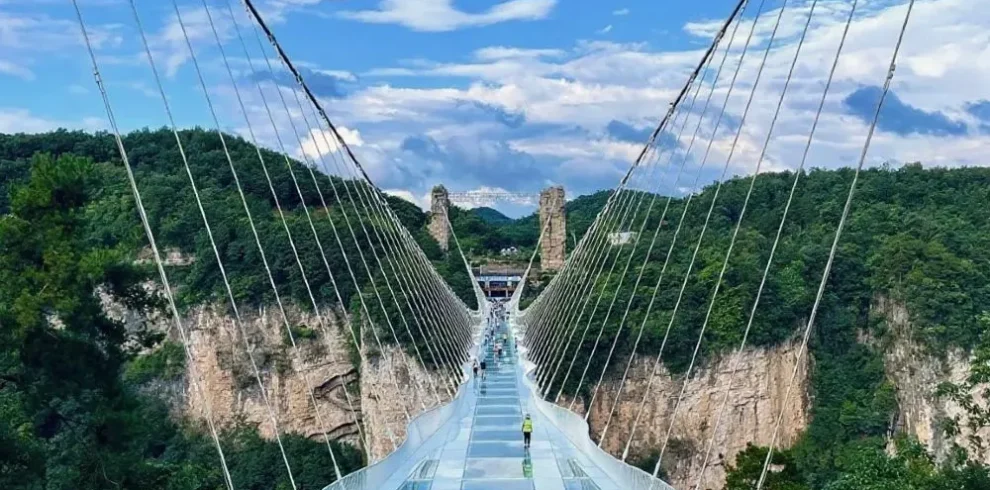
- Zhangjiajie Grand Canyon Glass Bridge: The world’s longest and highest glass-bottomed bridge, offering adrenaline-pumping views of the canyon.
- Baofeng Lake: A serene lake surrounded by peaks, often called a “fairyland on water” with boat rides available.
- Natural Stone Bridge: A magnificent natural arch formed by erosion, spanning across the canyon.
- Creek Walks: Meandering paths along clear streams, with waterfalls and lush vegetation all around.
Other Highlights & Less-Visited Zones
- Huanglong Cave: A massive karst cave with stalactites, stalagmites, and underground rivers—known as the “underground pearl palace”.
- 72 Odd Buildings (72 Qilou): A night-time cultural complex in Zhangjiajie City, featuring Tujia-style architecture, folk performances, and vibrant light shows.
Featured Itineraries
1-Day Express (From Changsha, Tight Schedule)
2-Day Zhangjiajie Highlights: Make the Most of Every Moment in Avatar’s Realm
Option 1: Dive Deep into Zhangjiajie’s Icons – Forest Park, Tianmen Mountain & Grand Canyon
Option 2: Seamless Changsha to Zhangjiajie Adventure by High-Speed Train
Option 3: Immerse in Zhangjiajie National Forest Park’s Core Beauty
Practical Travel Info & Tips
Access & Transportation
From Changsha
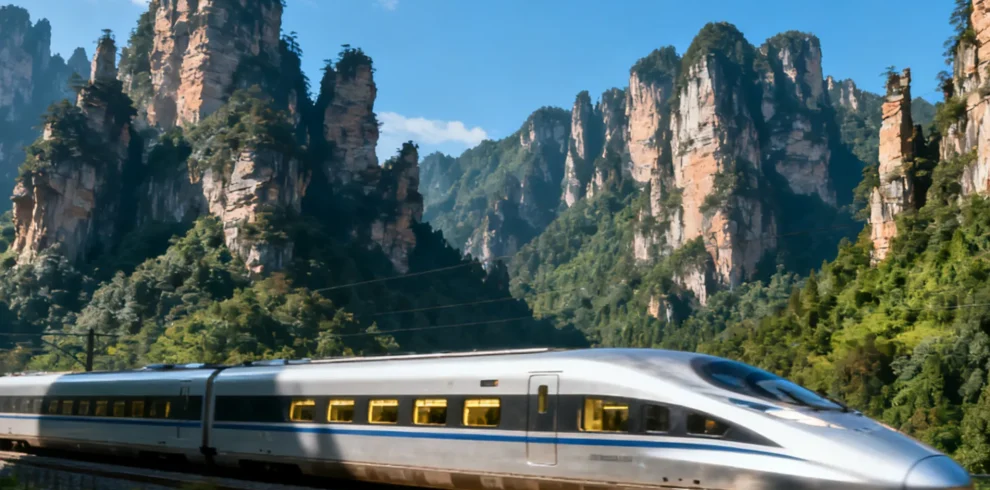
- High-speed rail: Take a high-speed train from Changsha South Station to Zhangjiajie West Station (around 3.5 hours), then transfer by taxi or bus to your destination. It’s a comfortable and scenic option.
- Flight: Fly from Changsha Huanghua International Airport to Zhangjiajie Hehua Airport (around 1 hour), then take a taxi or airport shuttle to your accommodation.
- Bus / Car: Long-distance buses from Changsha to Zhangjiajie take about 5–7 hours, while driving by car takes roughly 4.5–6 hours, depending on traffic and road conditions.
Inside the Attractions
- Zhangjiajie National Forest Park: Eco-shuttle buses operate between major areas like Yuanjiajie, Tianzi Mountain, and Golden Whip Stream (use of these buses is mandatory). Cableways (e.g., Tianzi Mountain Cableway, Bailong Elevator) are available for convenient access to high-altitude spots.
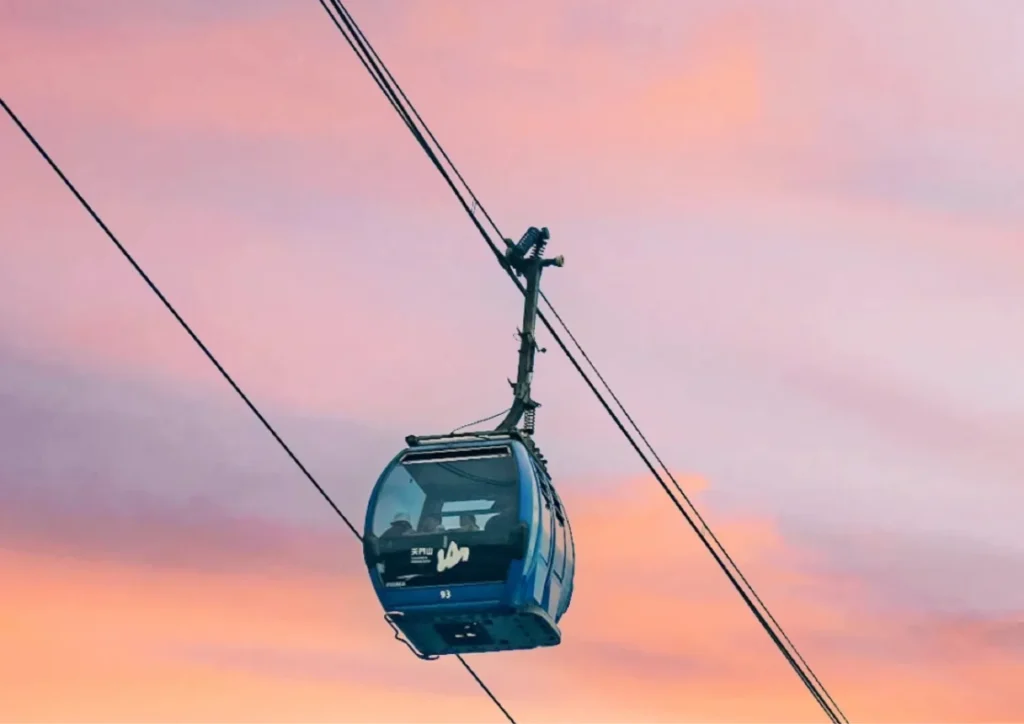
- Tianmen Mountain National Forest Park: Take the Tianmen Mountain Cableway to the mountaintop, and use the park’s shuttle buses to reach Tianmen Cave. The scenic “99 Bends Road” is also accessible by shuttle bus.
- Walking & Hiking: Boardwalks and hiking trails connect most key viewpoints in the parks. Some less-traveled hiking routes may require a registered guide for safety and navigation.
Tickets & Entrance Fees
- Zhangjiajie National Forest Park
- Peak Season (March 1 – November 30): ¥225/$32 per person (including entrance ticket and eco-shuttle bus fare).
- Low Season (December 1 – February 28): ¥115/$16 per person (including entrance ticket and eco-shuttle bus fare).
- Tianmen Mountain National Forest Park
- Peak Season (March 1 – November 30): ¥275/$39 per person (including entrance ticket, cableway, and shuttle bus fare).
- Low Season (December 1 – February 28): ¥235/$33 per person (including entrance ticket, cableway, and shuttle bus fare).
- Zhangjiajie Grand Canyon (with Glass Bridge)
- Peak Season (March 1 – November 30): ¥219/$31 per person (including entrance ticket and glass bridge access).
- Low Season (December 1 – February 28): ¥118/$17 per person (including entrance ticket and glass bridge access).
- Online Booking: All major attractions require advance ticket purchase via official platforms; on-site ticket availability is extremely limited.
- Children & Discounts: Kids under 6 years old or below 1.2 meters tall enter free (but need registration). Seniors, students, and other eligible visitors can enjoy discounted tickets with valid ID.
Operating Hours & Season
- Zhangjiajie National Forest Park: Open daily from 7:30 AM to 5:30 PM (peak season) and 8:00 AM to 5:00 PM (low season).
- Tianmen Mountain National Forest Park: Open daily from 8:00 AM to 5:00 PM (peak season) and 8:30 AM to 4:30 PM (low season).
- Best Time to Visit: March to May and September to November offer mild weather, clear views, and vibrant foliage (spring blossoms or autumn colors). December to February is ideal for snow lovers, with Tianmen Mountain transforming into a winter wonderland.
Note: Some facilities or trails may have temporary closures for maintenance; check official updates before your trip.
Accommodation & Nearby Areas
- Wulingyuan Town (near Zhangjiajie National Forest Park): Top choices include upscale resorts like Pullman Zhangjiajie Hotel, featuring modern amenities and views of the surrounding peaks. Mid-range hotels and Tujia-style guesthouses are also abundant, offering convenient access to the park entrance—perfect for early morning visits to beat the crowds.
- Zhangjiajie City (near Tianmen Mountain): You’ll find a mix of international chains and local hotels, such as the Grand Skylight International Hotel. Staying here is ideal if you want to explore Tianmen Mountain and the city’s cultural spots like 72 Odd Buildings.
Rules, Permits & Best Practices
- Climbing or damaging the sandstone pillars, trees, or rock formations is strictly prohibited.
- Drone use is not allowed in most scenic areas unless pre-approved by park authorities.
- Bring a refillable water bottle and minimize single-use plastics to protect the ecosystem.
- Respect the local Tujia and Miao cultures—ask for permission before taking photos of people or their traditional dwellings.
Packing & Health Tips
- Wear comfortable hiking shoes or sneakers, as there’s a lot of walking on boardwalks and trails.
- Pack layers, as temperatures can vary between valleys and mountaintops, even in the same day.
- Bring rain gear or a waterproof jacket, as sudden showers are common, especially in the rainy season.
- Don’t forget sunglasses, sunscreen, and a camera with extra memory cards—there are endless photo opportunities!
- Stay hydrated and take it slow if you’re not used to walking long distances, especially at higher elevations in Tianmen Mountain.
Seasonal Highlights
| Season | What You’ll See | Pros / Cautions |
|---|---|---|
| Spring (Apr–Jun) | Blooming flowers, fresh green forests, flowing streams | Fewer crowds, mild temperatures; occasional rain, so bring rain gear |
| Summer (Jul–Aug) | Lush greenery, vibrant waterfalls, misty valleys | Warm weather, lively atmosphere; heavier crowds, frequent afternoon showers |
| Autumn (Sep–mid Oct) | Colorful foliage (red, yellow, orange), clear skies | Stunning fall scenery, comfortable temperatures; very popular, book tickets and accommodation in advance |
| Winter (Nov–Mar) | Snow-covered peaks, icy formations, tranquil landscapes | Fewer tourists, magical winter wonderland (especially in Tianmen Mountain); cold weather, some high-altitude trails may be closed, check access before visiting |
Photo & Videography Tips
- Golden hour (early morning, late afternoon) provides the best light for capturing the dramatic sandstone pillars and misty valleys.
- Use foreground elements like trees, railings, or traditional Tujia architecture to add depth to your shots.
- For the “Avatar mountains” effect, frame the pillars against the sky or include the lush forests at their base.
- Obey drone restrictions; most scenic zones in Zhangjiajie forbid or strictly restrict drone use without prior approval.
- Bring a wide-angle lens to capture the vastness of the landscapes and a polarizing filter to reduce glare on glass structures like the Grand Canyon Glass Bridge.
Sustainability & Future Outlook
Conclusion
Zhangjiajie is one of China’s most surreal natural wonders—its towering “Avatar-like” sandstone pillars, misty valleys, lush forests, and rich Tujia/Miao cultures combine into a visual and adventurous feast. Whether you’re a first-time explorer or a seasoned nature enthusiast, this guide equips you with everything needed to visit thoughtfully and immersively.
FAQ
Q: Are all major attractions open now?
Yes — as of 2025, all main attractions are open, including Zhangjiajie National Forest Park, Tianmen Mountain, and the Grand Canyon Glass Bridge.
Q: How many days should I allocate for Zhangjiajie?
Plan at least 2–3 days to see the major highlights comfortably. Spend 4 days or more if you want to explore deeper areas like Huanglong Cave or enjoy a slower pace.
Q: Do I need to book tickets in advance?
Yes — all entry tickets for attractions like the national forest park and Tianmen Mountain must be booked online in advance. On-site ticket availability is very limited, especially during peak season.
Q: Is there a risk of altitude sickness in Zhangjiajie?
The risk is low, as most areas are at moderate elevations. However, Tianmen Mountain’s higher spots may cause mild discomfort for some; stay hydrated and take it slow if needed.
Q: Can I enter and exit attractions multiple times in a day?
Re-entry policies vary by attraction. For Zhangjiajie National Forest Park, your ticket allows entry for multiple days (check the validity when purchasing). For others like Tianmen Mountain, re-entry on the same day is generally not permitted.