
Hidden in the Min Mountains of northern Sichuan Province, Jiuzhaigou Valley (jiǔ zhài gōu 九寨沟) is one of China’s most breathtaking natural wonders. Famous for its crystal-clear turquoise lakes, multi-layered waterfalls, and snow-capped peaks, this UNESCO World Heritage Site feels like a living painting. Once a remote Tibetan valley known only to explorers, Jiuzhaigou now attracts visitors from around the world — yet its untouched beauty, vibrant culture, and peaceful atmosphere continue to enchant every traveler who ventures here.
Quick Facts & Overview
| Item | Detail |
|---|---|
| Location | Jiuzhaigou County, Ngawa Tibetan & Qiang Autonomous Prefecture, Sichuan, China |
| Distance from Chengdu | ~450 km north (by road) |
| Valley Length / Area | Around 50 km in length; park area ~720 km² |
| Elevation Range | Approx. 2,000 m to over 4,500 m (valley floor up to high ridges) |
| UNESCO Status | Inscribed 1992 as a World Natural Heritage site |
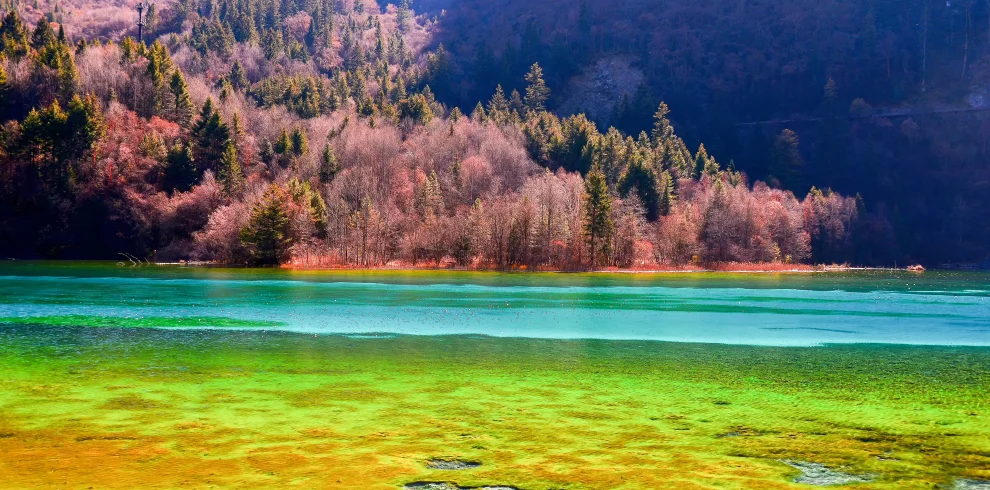
| Scenic Features | Over 100 lakes, dozens of waterfalls, old-growth forest zones |
| Best Time to Visit | Late September to mid-October (peak autumn foliage) |
Geography, Ecosystem & Formation
Valley Structure & Hydrology
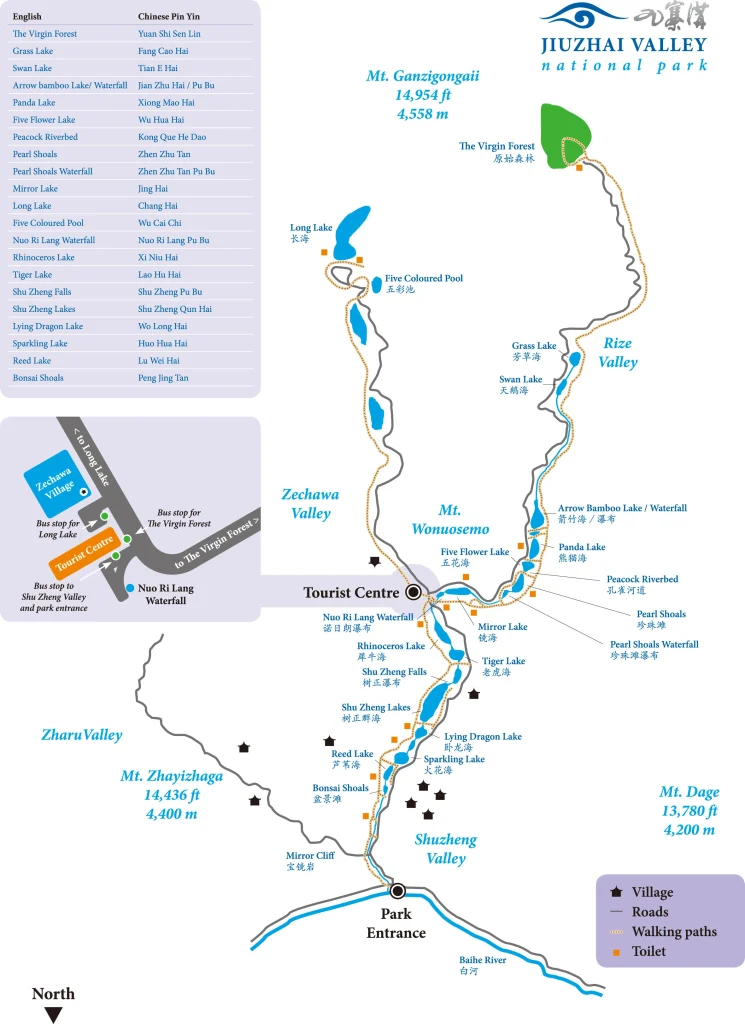
Jiuzhaigou Valley stretches deep through the Min Mountains and is shaped like the letter “Y,” with three main branches — Shuzheng, Rize, and Zechawa. Each arm reveals a different side of the park’s charm: Shuzheng Valley is dotted with shimmering lakes and waterfalls close to the main entrance; Rize Valley is known for its vivid blue and green waters framed by ancient forests; and Zechawa Valley, the highest and quietest of the three, offers more solitude and panoramic views.
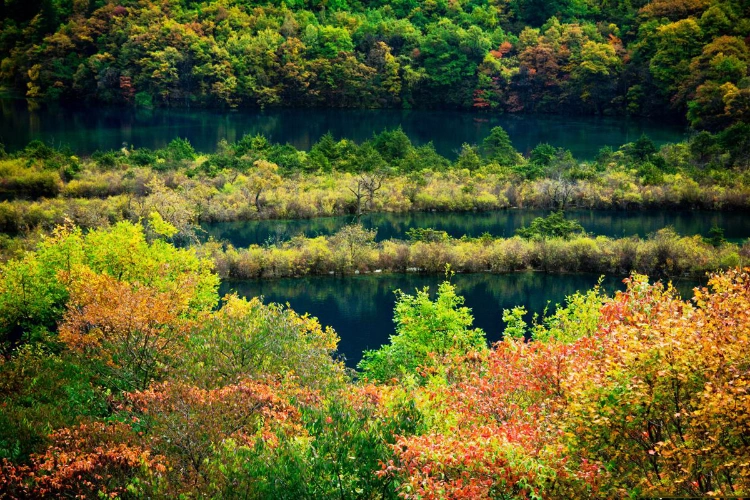
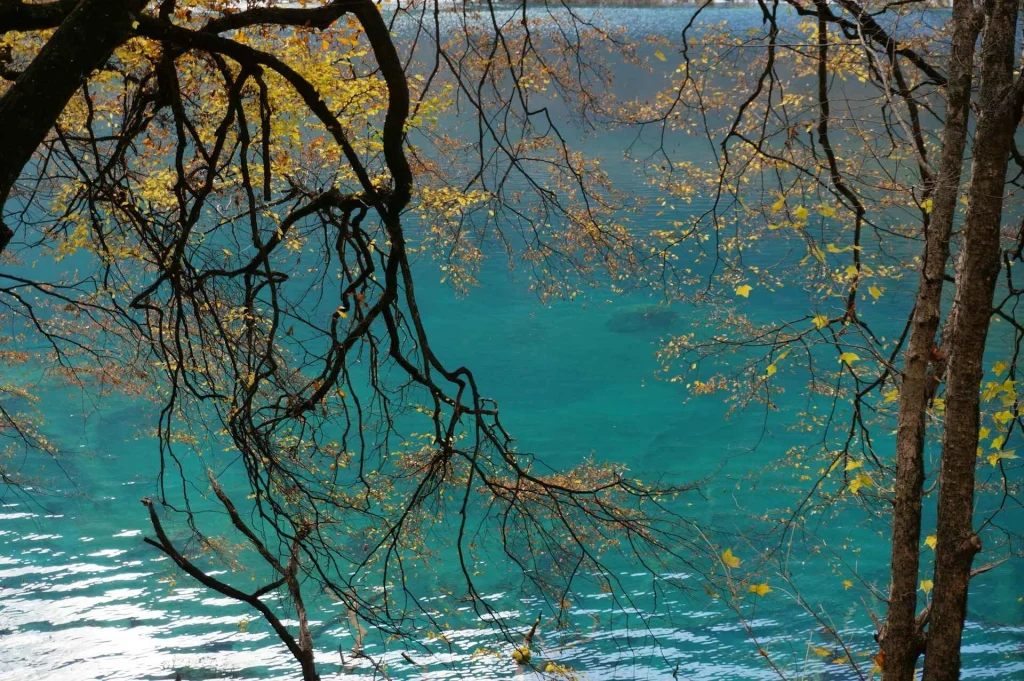
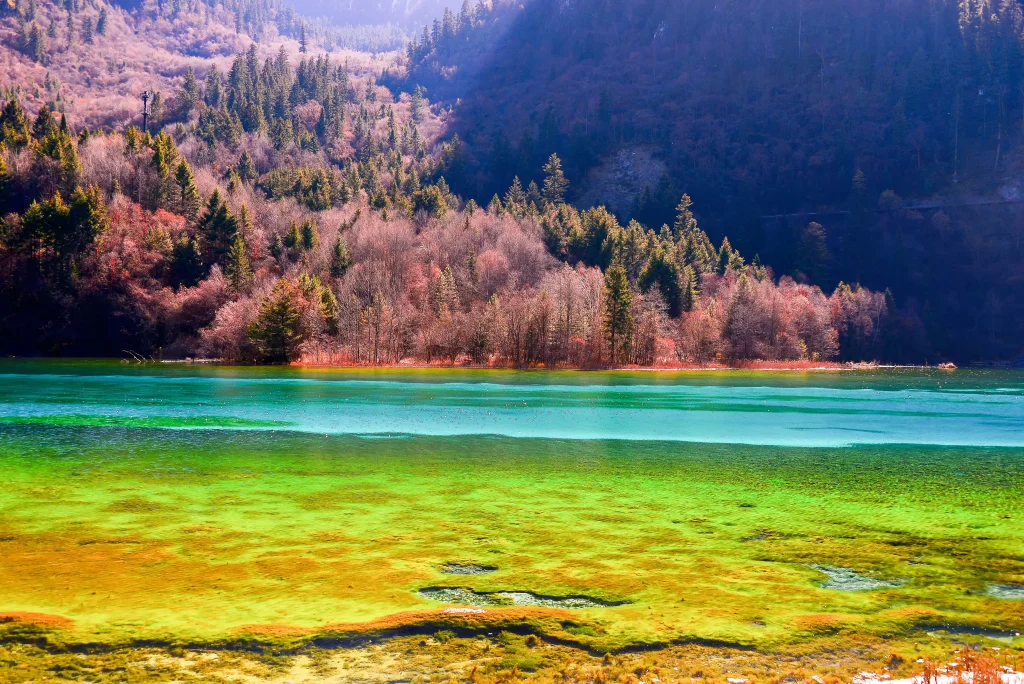
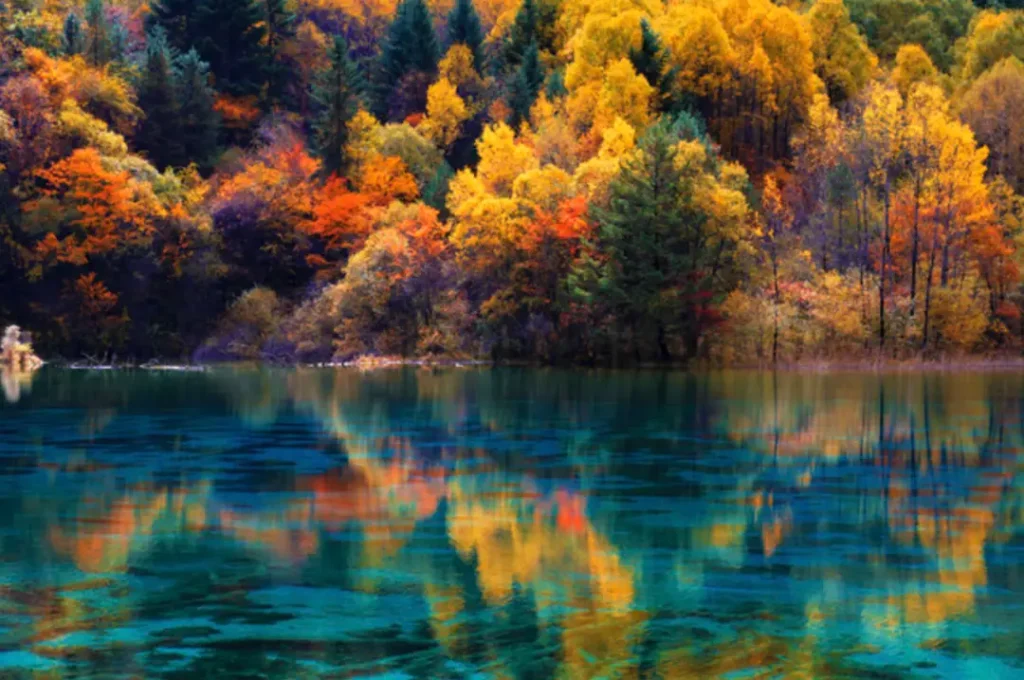
The valley’s famous multicolored lakes owe their hues to dissolved minerals and aquatic organisms that thrive in its pristine waters. Over time, natural calcium carbonate deposits formed barriers and terraces, creating pools that reflect dazzling shades of turquoise, emerald, gold, and sapphire. Combined with the area’s incredible clarity and ever-changing light, Jiuzhaigou’s lakes form a kaleidoscope of colors that shift with the seasons.
Flora, Fauna & Conservation
The ecosystem of Jiuzhaigou is as rich as its scenery. The surrounding slopes are covered in mixed coniferous and deciduous forests — home to fir, spruce, birch, rhododendron, and countless mosses and ferns. Wild animals such as the giant panda, golden snub-nosed monkey, and takin inhabit the region, though they are rarely seen by visitors.
Conservation remains a key focus in the valley. The park carefully limits visitor numbers to protect its fragile environment. Following the 2017 earthquake, which damaged several walkways and lake basins, extensive restoration and ecological rehabilitation have helped Jiuzhaigou recover much of its natural beauty. Today, the reserve continues to balance tourism and protection, ensuring that its crystal waters and ancient forests endure for generations to come.
Cultural & Historical Context
- “Valley of Nine Villages”: The name “Jiuzhaigou” refers to nine Tibetan villages historically scattered throughout the valley. Many villages remain inhabited by Qiang and Tibetan communities.
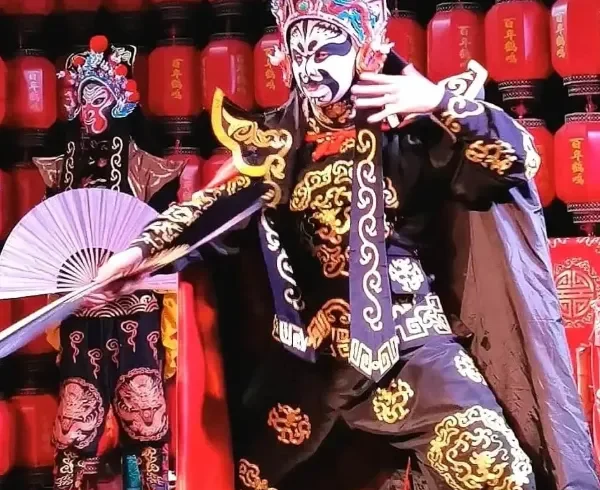
- Over the years, the region has gradually shifted toward tourism development, with local people now participating through guesthouses, guided tours, handicrafts, and cultural performances.
- The 2017 Sichuan Jiuzhaigou earthquake (magnitude ~7.0) caused damage to infrastructure, rockslides, and some lakes; since then, extensive repairs have reopened all major valleys and attractions.
- In 2025, Jiuzhaigou is now considered fully open to tourists, including attractions like Panda Sea, Swan Sea, and the wild forest zones.
Top Scenic Spots & Routes
Below is a route-based guide to major highlights. Use this to map your itinerary.
Shuzheng Valley (Middle Arm)
This is often the main entry route, with many classic lakes & waterfalls.
- Shuzheng Lakes Cluster: Rhinoceros Lake, Tiger Lake, Nine-Village Lake, etc.
- Mirror Lake (Jing Hai): Calm, reflective surface—best in early morning.
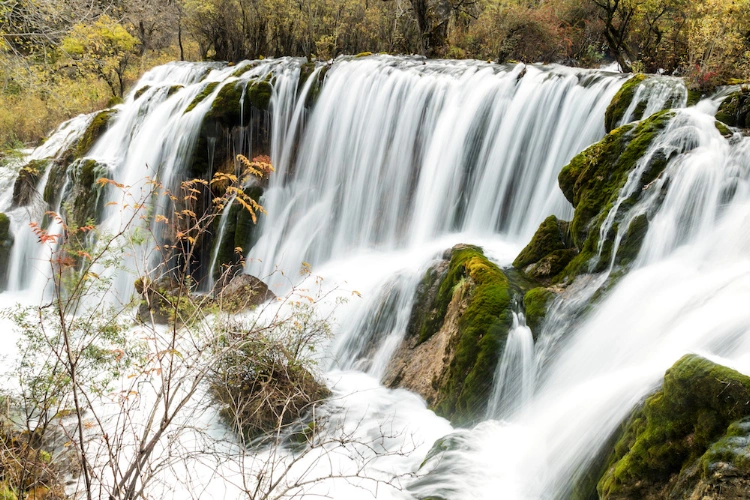
- Pearl Shoal Waterfall: One of the broader cascades along the main corridor.
Rize Valley (Right Arm)
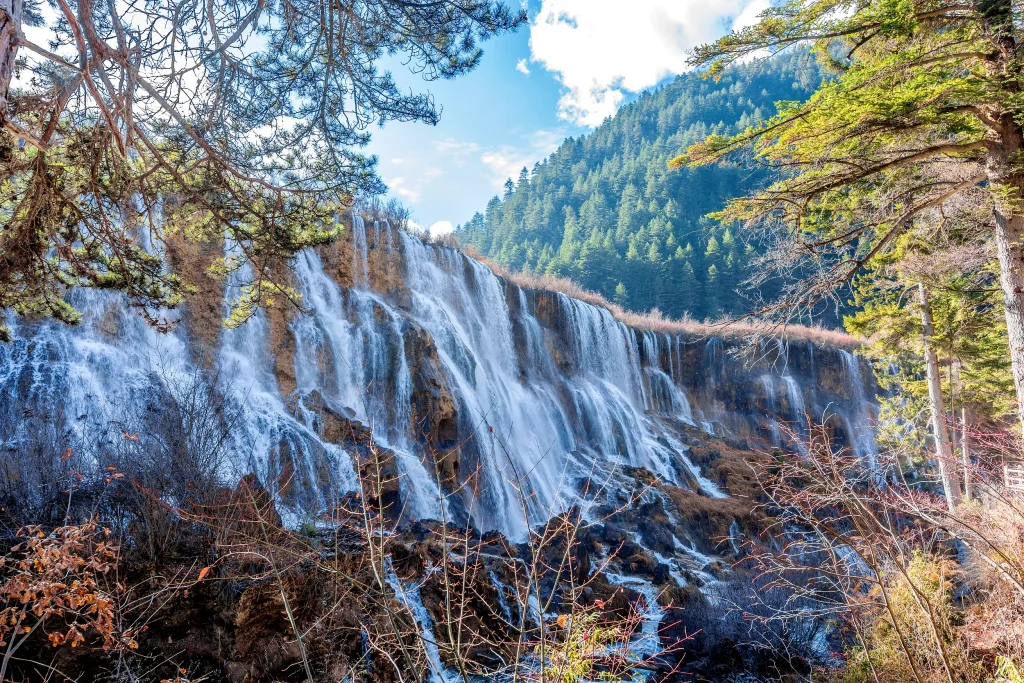
Rich in waterfalls and colorful pools.
- Five-Flower Lake (Wu Hua Hai / Wuhua Lake): Perhaps the most photographed.
- Five-Color Pool: Small but brilliantly hued.
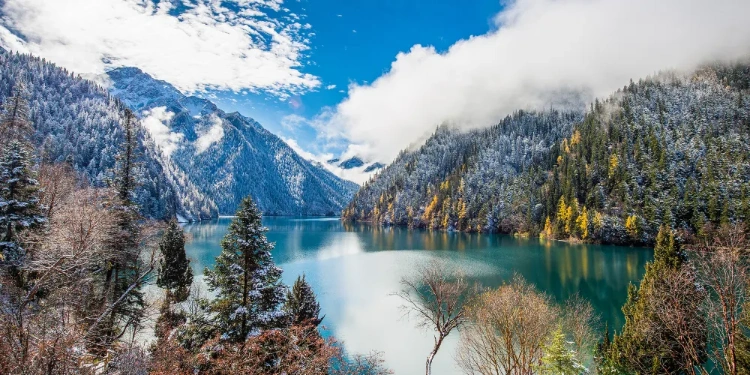
- Long Lake (Chang Hai): Highest and deepest lake, with dramatic surroundings.
- Reed Lake / Jade Belt River: Winding stream with shallow clear water.
Zechawa Valley (Left Arm)
- Less crowded, good for quieter exploration.
- Less-developed trails that may require hiking or special permission.
Other Highlights & Less-Visited Zones
- Primeval Forest & Sword Rock: forested hills and dramatic rock formations
- Zharu Valley: In some tours, this valley is offered for overnight or hiking—more offbeat.
Featured Itineraries
1-Day Express (Possible but Tight Schedule)
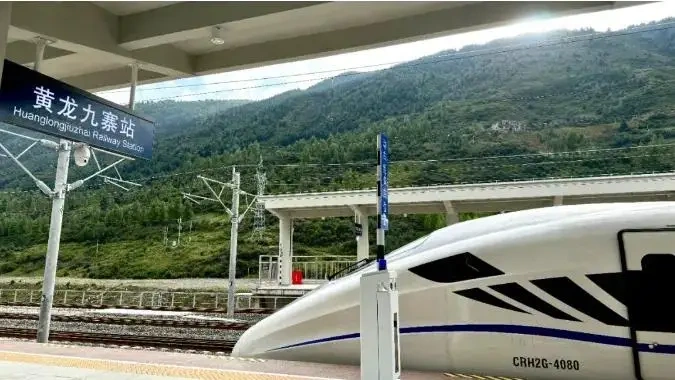
For travelers short on time, a same-day trip from Chengdu is possible with an early high-speed train or flight.
Upon arrival, head straight to Jiuzhaigou National Park and use the park’s eco-shuttles to explore key highlights — Long Lake, Five-Flower Lake, Five-Color Pool, and Mirror Lake.
It’s a fast-paced but rewarding way to experience Jiuzhaigou’s stunning landscapes in one day.
2-Day Jiuzhaigou + Huanglong Highlights
This classic route covers both Huanglong Scenic Area and Jiuzhaigou Valley.
On Day 1, travel from Chengdu to Huanglong to see its colorful limestone pools and alpine forests before continuing to Jiuzhaigou for an overnight stay near the park.
On Day 2, spend a full day exploring Jiuzhaigou’s breathtaking lakes, waterfalls, and valleys, then return to Chengdu by evening.
Multi-Day Tours Including Jiuzhaigou
For travelers seeking a deeper experience, multi-day tours combine Jiuzhaigou with the scenic and cultural highlights of western Sichuan.
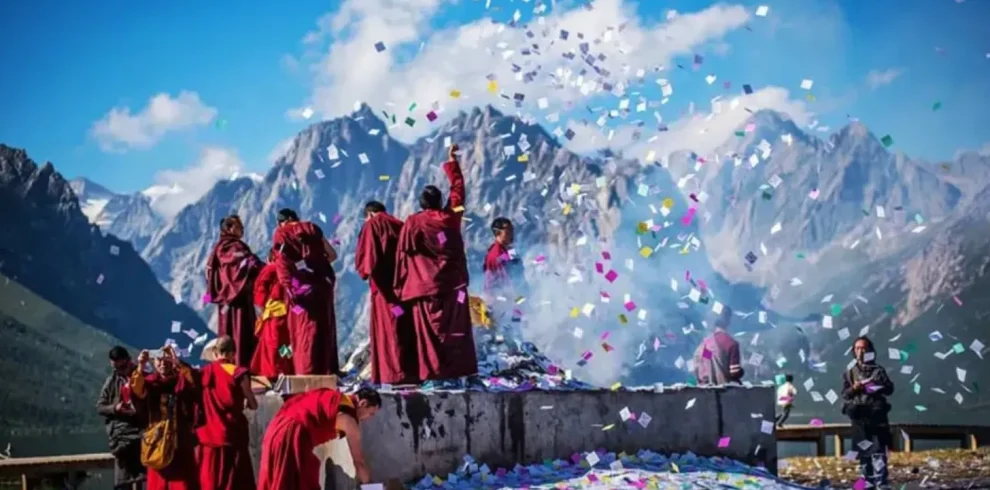
These longer journeys often include destinations such as Huanglong, Songpan Ancient Town, and the Ruoergai Grasslands, offering a richer mix of mountain landscapes, Tibetan culture, and local life.
They’re ideal for those who want to explore beyond Jiuzhaigou Valley and experience the region’s full natural diversity.
Practical Travel Info & Tips
Access & Transportation
From Chengdu
- Flight: Fly from Chengdu to Jiuzhai Huanglong Airport (around 1 hour), then transfer by road for about 1.5 hours to reach Jiuzhaigou Valley.
- High-speed rail: A newer railway route connects to Zhenjiangguan Station, followed by a shuttle or bus ride to Jiuzhaigou (approximately 1.5–2.5 additional hours). It’s a more economical and scenic option compared to flying.
- Bus / Car: Long-distance buses and private cars from Chengdu take about 6–10 hours, depending on route and weather conditions.
Inside the Park
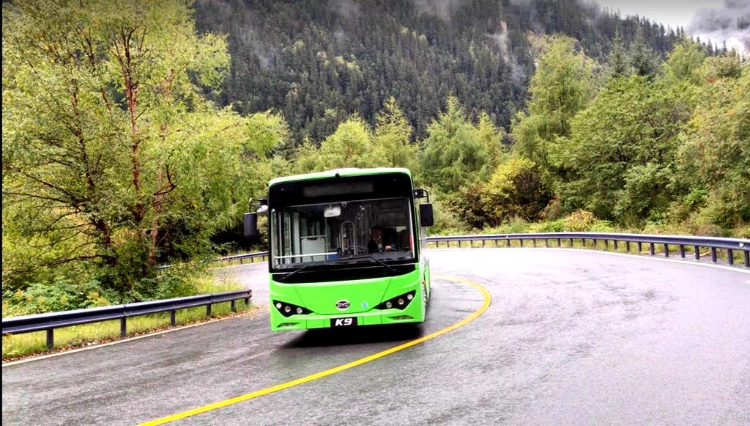
- Shuttle buses operate between major scenic zones (use of these buses is mandatory).
- Boardwalks and walking trails connect most key viewpoints.
- Some hiking routes or restricted zones require entry with a registered guide.
Tickets & Entrance Fees
- Peak Season (April 1 – November 15): ¥280/$40 per person (including entrance ticket ¥190 plus sightseeing bus fare ¥90).
- Low Season (November 16 – March 31): ¥160/$22.5 per person (including entrance ticket ¥80 plus bus fare ¥80).
- Double Entry: Re-entry rules vary; in peak season, full payment is usually required again. In off-season, re-entry may cost a small surcharge (around ¥20).
- Online Booking: All visitors must purchase tickets in advance; on-site ticket sales are limited or unavailable.
- Children: Kids under 6 years old or below 1.2 meters tall enter free but still need registration.
Operating Hours & Season
- The park is open most of the year, with the main season running from April through November. Some walkways and lakes may close temporarily during deep winter.
- Best Time to Visit: From September to mid-October, when autumn foliage and clear skies make for stunning scenery.
Accommodation & Nearby Towns
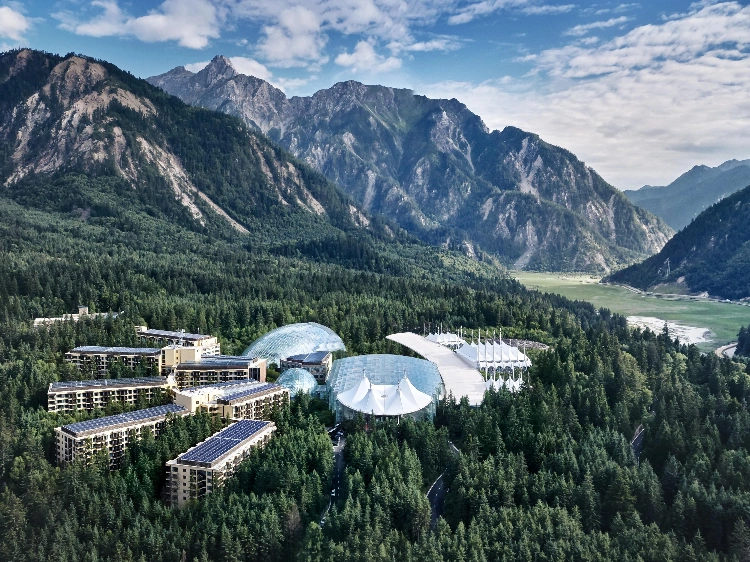
Most visitors stay around Zhangzha Town, just 10–20 minutes from the park entrance.
Top choices include the InterContinental Resort Jiuzhai Paradise and Hilton Jiuzhaigou Resort, both offering comfort, scenic views, and Tibetan-inspired design.
Mid-range hotels and cozy local guesthouses provide convenient, affordable options, too. Staying near the park lets you enter early and enjoy Jiuzhaigou’s beauty at a relaxed pace.
Rules, Permits & Best Practices
- Swimming, fishing, or entering lakes is strictly prohibited.
- Drone use is not allowed unless pre-approved for specific zones.
- Bring a refillable water bottle and avoid single-use plastics.
- Use biodegradable rain gear instead of disposable ponchos.
- Respect local culture and religious customs — maintain a quiet, low-impact approach when visiting temples or villages.
Packing & Health Tips
- Wear warm layers — even summer nights can get chilly at high altitude.
- Pack rain gear or a waterproof jacket in case of sudden showers.
- Use comfortable walking or hiking shoes for long boardwalks.
- Don’t forget sunglasses, sunscreen, and a camera with extra batteries.
- Because of the altitude (2,000–4,500 m), rest on arrival, stay hydrated, and avoid strenuous activity on the first day.
Seasonal Highlights
| Season | What You’ll See | Pros / Cautions |
|---|---|---|
| Spring (Apr–Jun) | Blossoms, fresh greenery, flowing waterfalls | Lower crowds, occasional rain |
| Summer (Jul–Aug) | Lush forests, full water flow | Warm, more rainfall, heavier crowds |
| Autumn (Sep–mid Oct) | Peak foliage, crisp air, best color contrast | Very popular — book in advance |
| Winter (Nov–Mar) | Snow scenes, ice forms, tranquil ambience | Some trails closed, cold weather, check access |
Photo & Videography Tips
- Golden hour (early morning, late afternoon) gives best light and reflections
- Use foreground elements (branches, submerged logs) for depth
- For mirror effects, shoot when water is calm
- Obey drone restrictions; most scenic zones forbid or restrict them
- Bring polarizing filters to reduce surface glare
Sustainability & Future Outlook
Jiuzhaigou’s popularity is a double-edged sword. While tourism supports local economies and infrastructure, it also poses risks: erosion, litter, overcrowding, and ecological stress. The authorities are actively managing visitor caps, timed entry, and stricter rules to protect the landscapes.
Going forward, continued investment in restoration, habitat protection, and sustainable visitor management will be key to preserving Jiuzhaigou’s magic.
Conclusion
Jiuzhaigou is one of China’s most magical natural wonders—its kaleidoscopic lakes, soaring waterfalls, misty forests, and Tibetan culture combine into a visual and spiritual feast. Whether your audience is first-time explorers or seasoned nature lovers, this guide gives them everything they need to visit intelligently and respectfully.
FAQ
Q: Are all three valleys open now?
Yes — as of 2025, all main valleys and attractions are open, including Panda Sea, Swan Sea, and the Primeval Forest Zone.
Q: How many days should I allocate?
Plan at least 2 days to see the major highlights comfortably. Spend 3 days or more if you want to explore deeper areas such as Zharu Valley or enjoy a slower pace.
Q: Do I need to book tickets in advance?
Yes — all entry tickets and shuttle bus seats must be booked online in advance. On-site ticket sales are limited or unavailable during peak season.
Q: What is the risk of altitude sickness?
The risk is moderate, as elevations range between 2,000 and 4,500 meters. Rest on arrival, stay hydrated, and avoid strenuous activity on your first day.
Q: Can I enter and exit multiple times in a day?
Re-entry policies vary by season. During peak season, a second entry usually requires purchasing a new ticket. In off-season, a small re-entry surcharge may apply.