

Zhangjiajie’s famous scenic area in Hunan – UNESCO World Heritage Site featuring over 3,000 quartz sandstone pillars, lush forests, and the inspiration for the movie “Avatar”
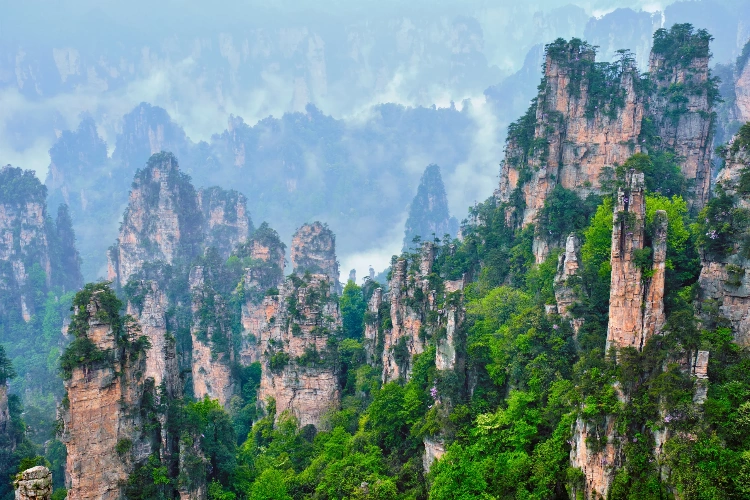
Zhangjiajie’s famous scenic area in Hunan – UNESCO World Heritage Site featuring over 3,000 quartz sandstone pillars, lush forests, and the inspiration for the movie “Avatar”
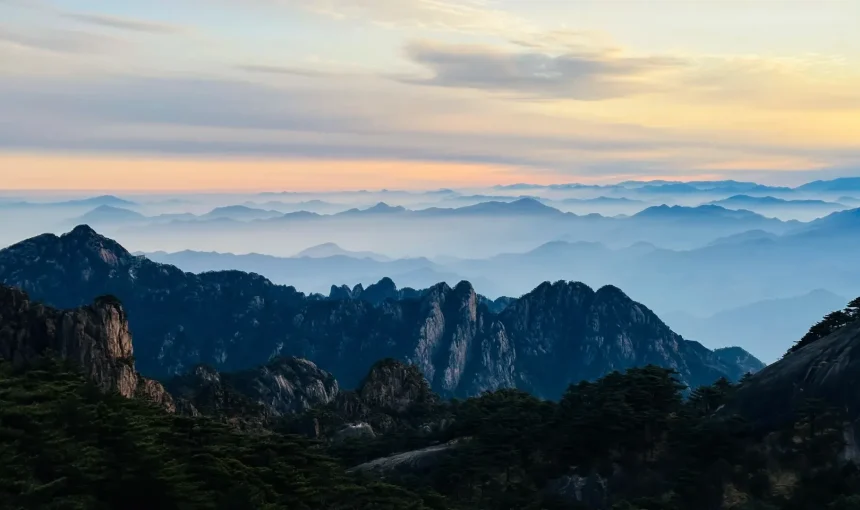
Anhui’s world-famous mountain range – UNESCO World Heritage Site renowned for its dramatic granite peaks, sea of clouds, ancient pine trees, and stunning sunrises, inspiration for traditional Chinese paintings.
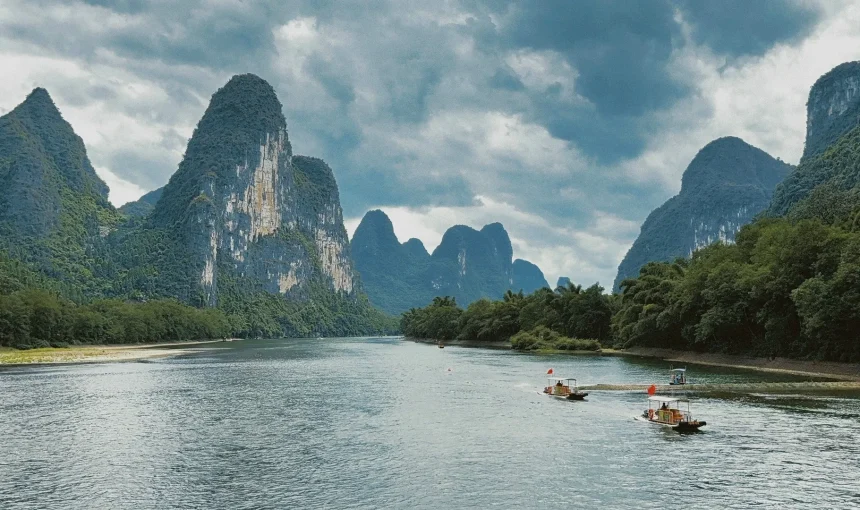
Guangxi’s world-famous river scenic area between Guilin and Yangshuo – UNESCO World Heritage Site featuring dramatic karst mountains, crystal-clear waters, and stunning natural landscapes.

Guilin’s famous pedestrian street in Yangshuo, Guangxi – a vibrant mix of traditional Chinese architecture, international cafes, souvenir shops, and stunning karst mountain views.

Hangzhou’s iconic UNESCO World Heritage Site featuring serene lakes, ancient pagodas, stone bridges, and traditional Chinese gardens – one of China’s most famous natural and cultural landmarks.
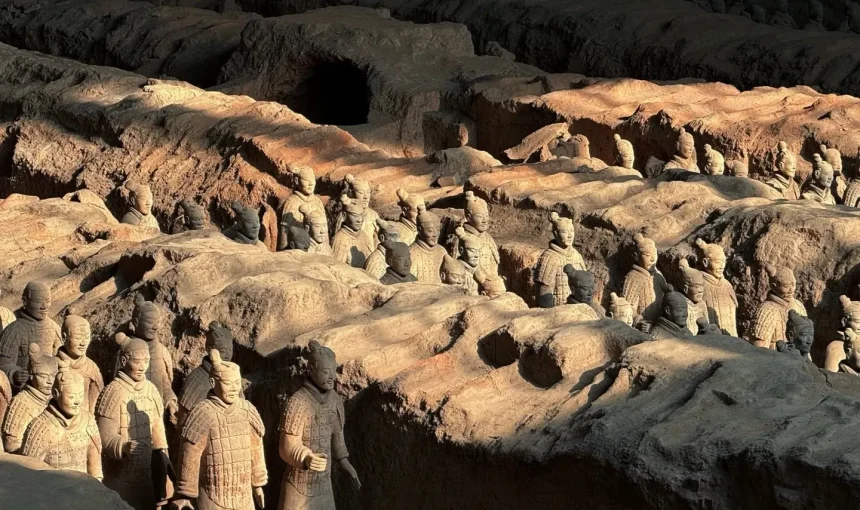
Home to the world-famous Terracotta Army in Xi’an, Shaanxi – UNESCO World Heritage Site, ancient Chinese emperor’s tomb complex with 8,000 life-sized terracotta warriors and horses.
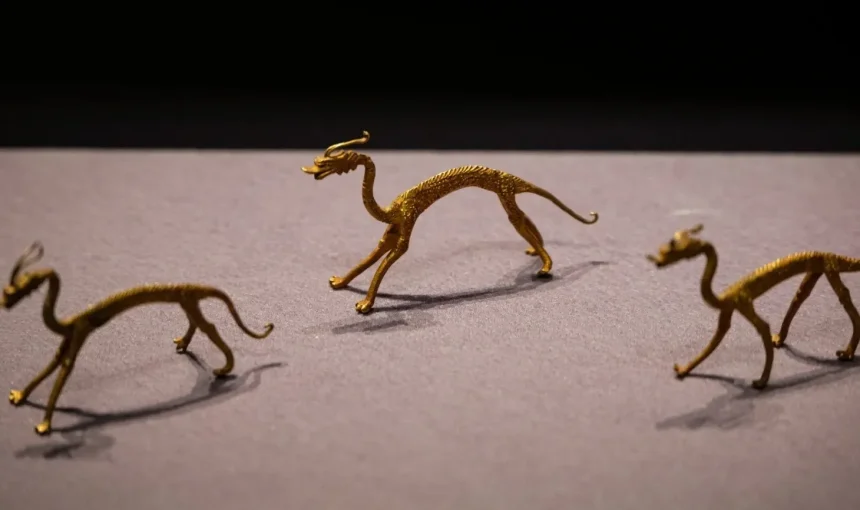
China’s premier provincial museum in Xi’an, Shaanxi – home to 370,000 ancient artifacts spanning 1 million years of Chinese history, including Tang Dynasty treasures and Bronze Age relics.
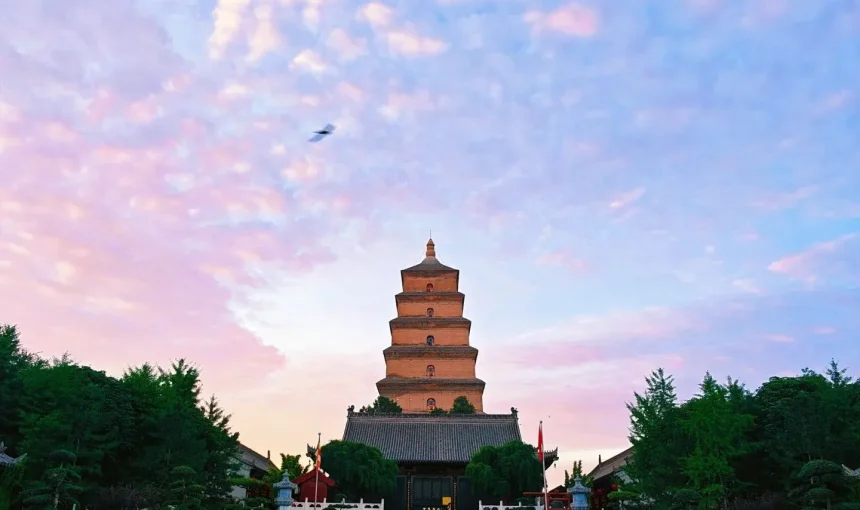
Xi’an’s iconic Buddhist pagoda and Tang Dynasty garden complex – UNESCO World Heritage Site, symbol of ancient Chinese Buddhism and Tang Dynasty grandeur in Shaanxi Province.
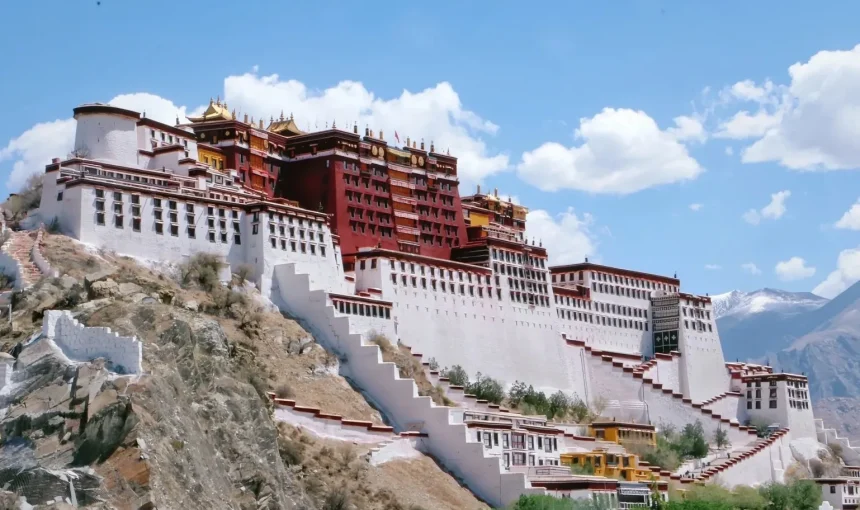
The iconic red and white palace in Lhasa, Tibet – a UNESCO World Heritage Site, former residence of the Dalai Lamas, and one of the world’s most spectacular architectural masterpieces.
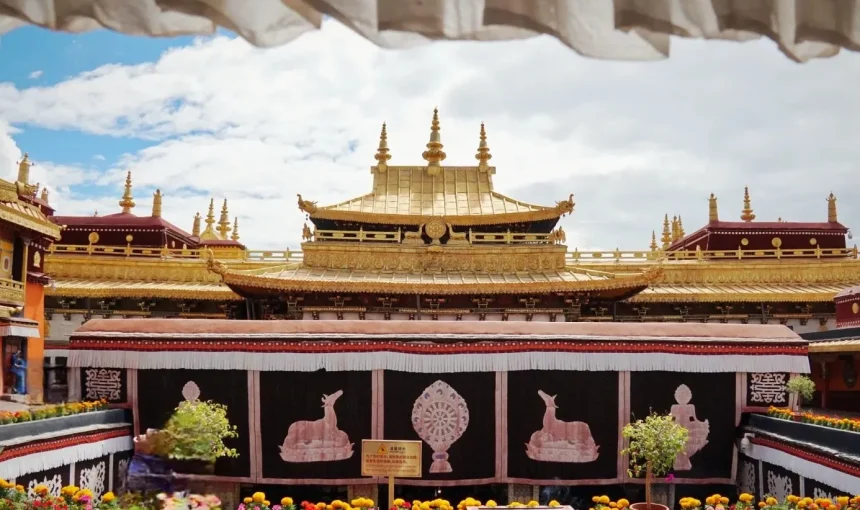
Tibet’s most sacred Buddhist temple in Lhasa, a UNESCO World Heritage Site famous for its golden roof, ancient murals, and spiritual significance as the heart of Tibetan Buddhism.