Home to the world-famous Terracotta Army in Xi’an, Shaanxi – UNESCO World Heritage Site, ancient Chinese emperor’s tomb complex with 8,000 life-sized terracotta warriors and horses.
Overview
What to Expect
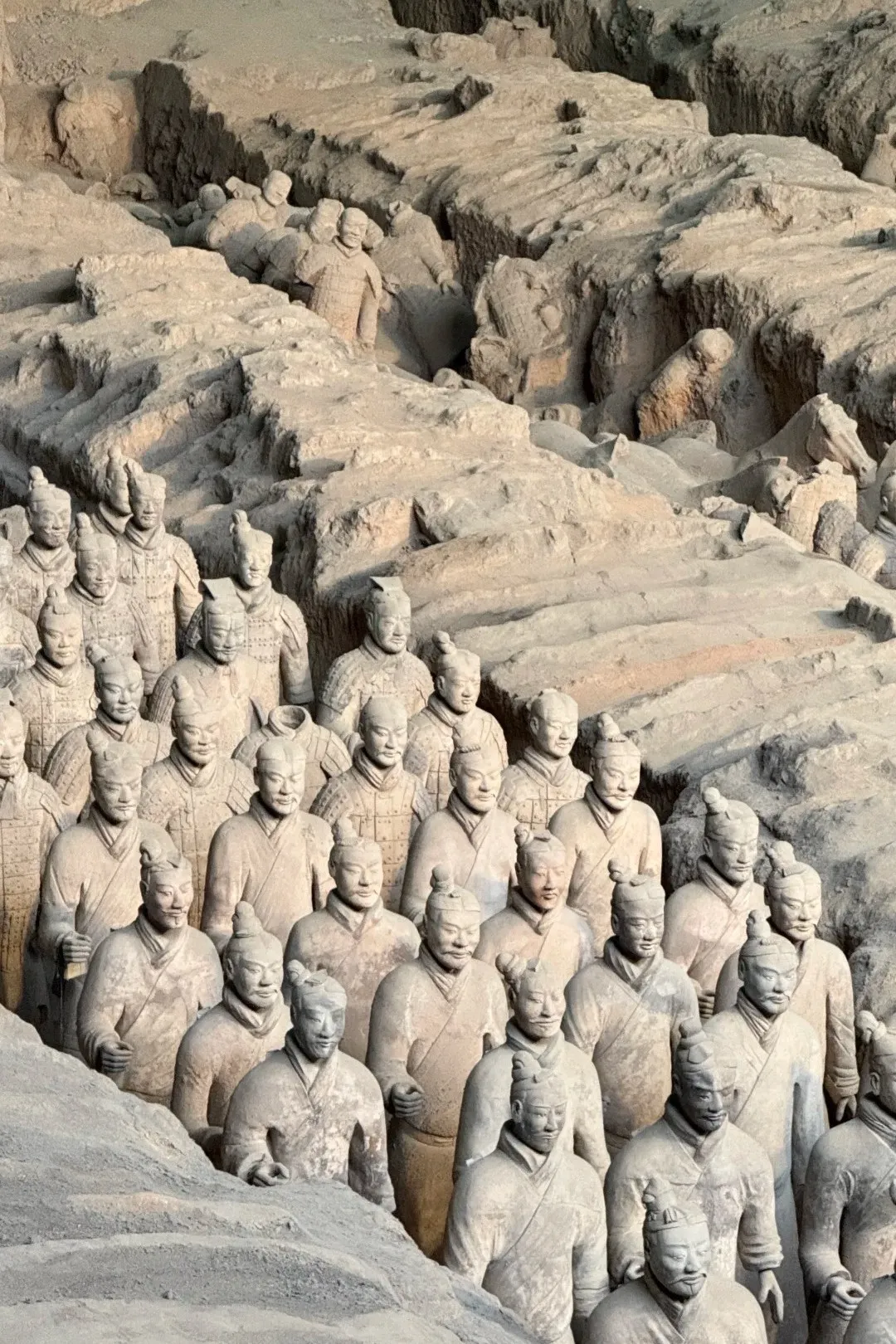
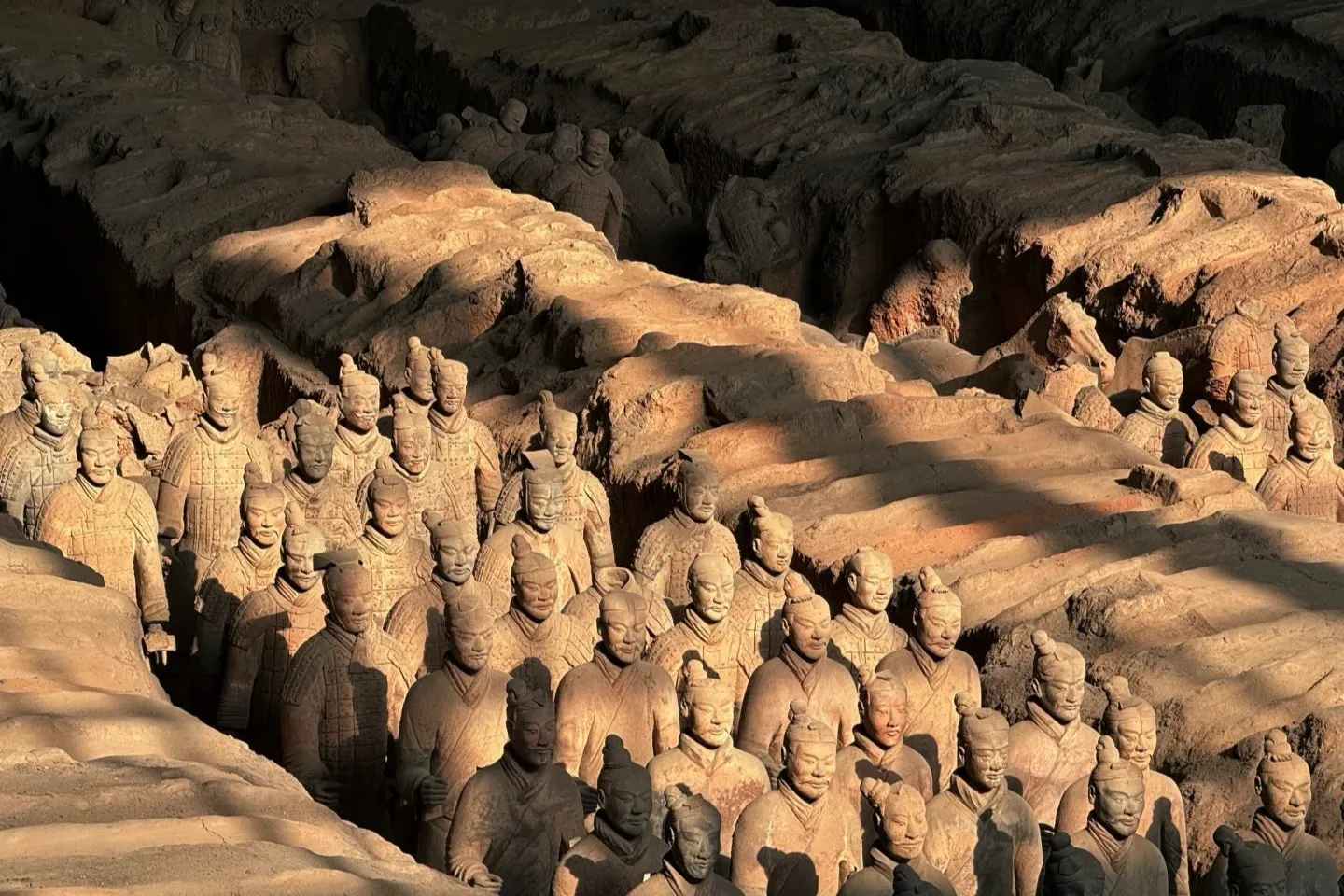
Emperor Qinshihuang’s Mausoleum Site Museum is one of the world’s most spectacular archaeological sites, famous for the discovery of the Terracotta Army – an army of over 8,000 life-sized terracotta warriors and horses buried to protect China’s first emperor, Qin Shi Huang, in the afterlife.
Located approximately 35 kilometers east of Xi’an, the museum covers an area of 56.25 square kilometers, including the emperor’s mausoleum, the Terracotta Army pits, and numerous other burial sites and auxiliary structures. Recognized as a UNESCO World Heritage Site in 1987, the site offers a fascinating glimpse into China’s Qin Dynasty (221–206 BC) and the incredible engineering and artistic achievements of ancient China.
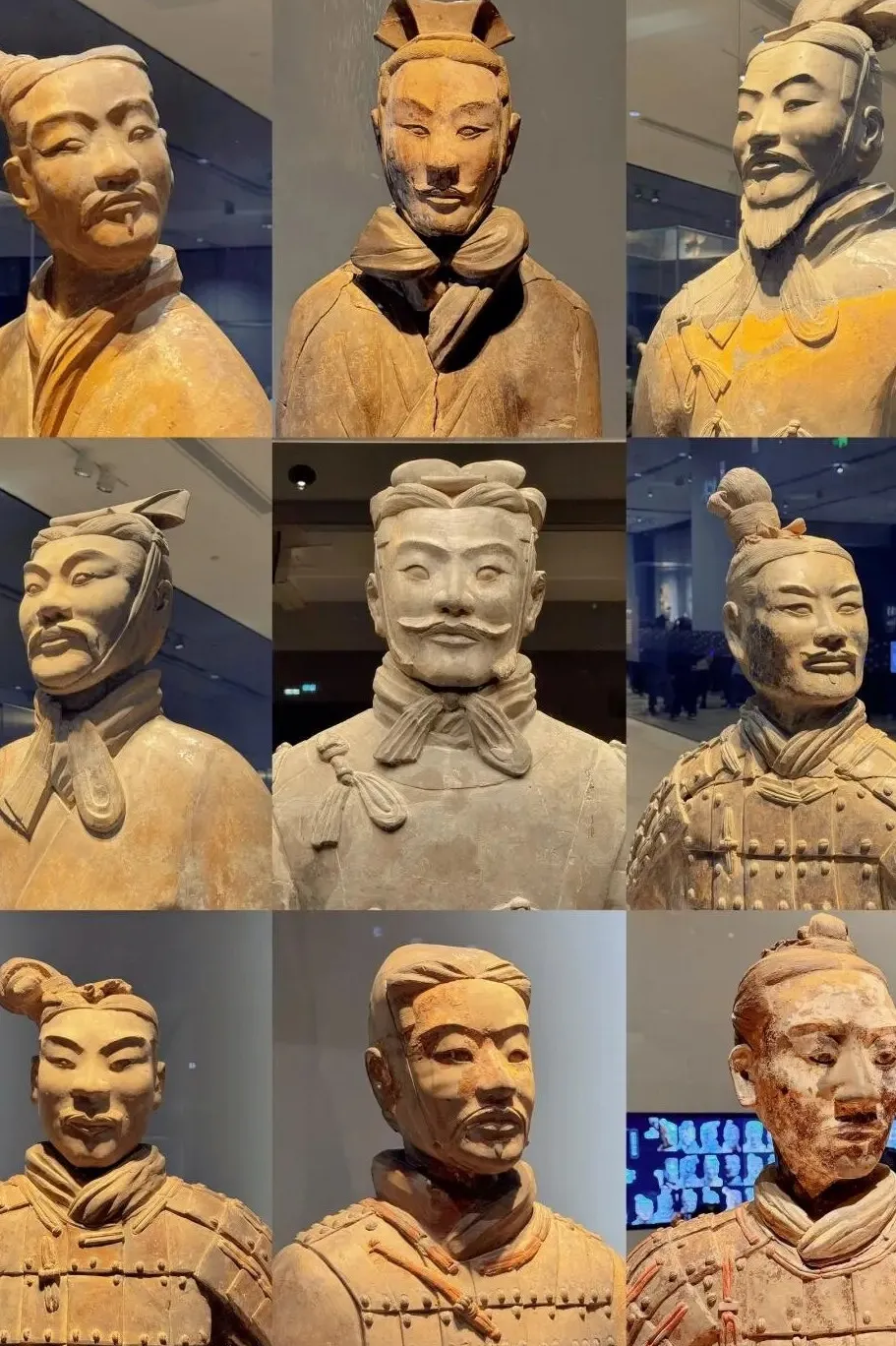
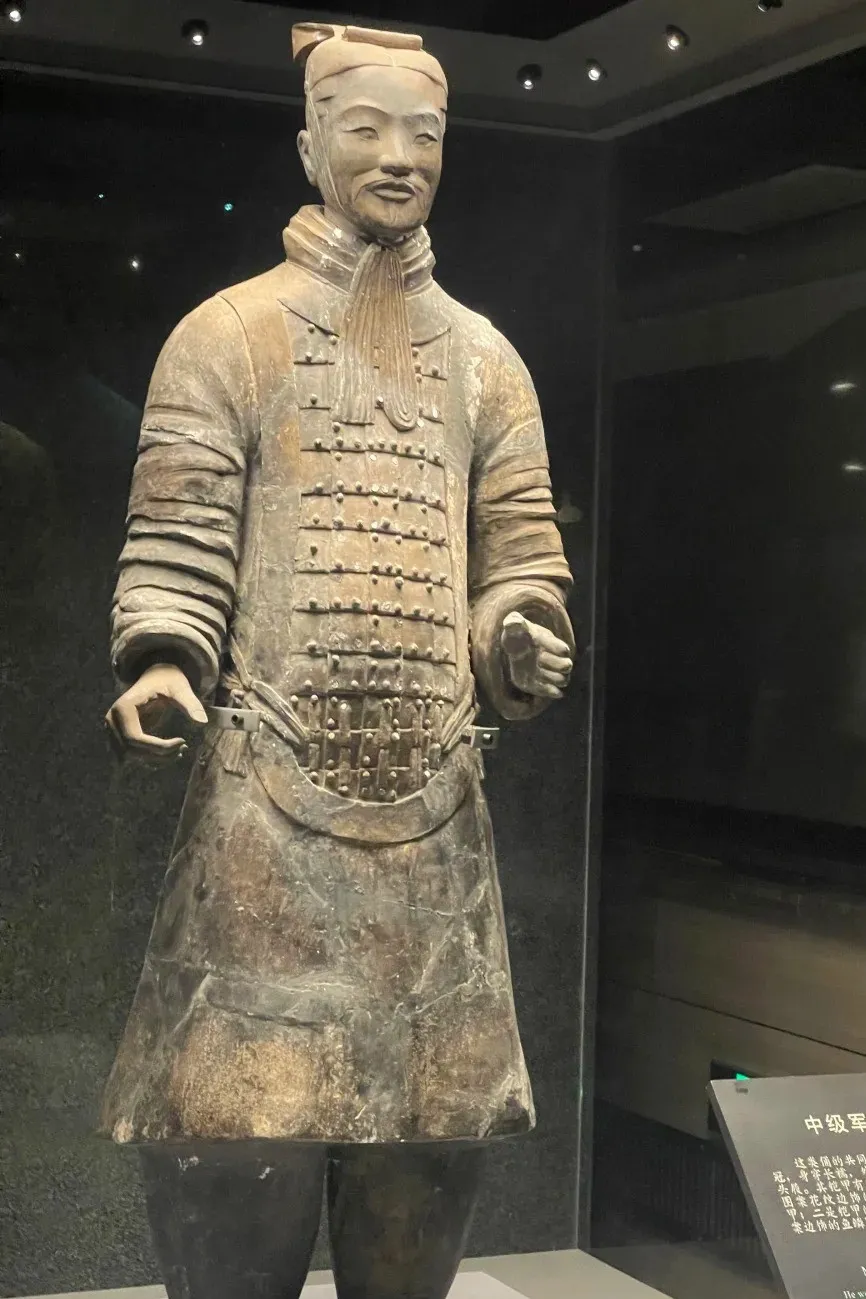
The Terracotta Army was accidentally discovered in 1974 by local farmers digging a well, and subsequent excavations have revealed four main pits containing thousands of terracotta warriors, horses, chariots, and weapons. Each warrior has a unique facial expression, hairstyle, and armor, reflecting the diversity of the Qin Dynasty army.
In addition to the Terracotta Army, the museum complex includes the Qin Shi Huang Mausoleum (still unexcavated), the Bronze Chariot and Horse Museum, and several exhibition halls showcasing artifacts from the excavation site. The site continues to be an active archaeological area, with new discoveries being made regularly.
Things to Do
- Join a guided tour to learn about the history, construction, and discovery of the Terracotta Army from knowledgeable experts
- Visit all three main Terracotta Army pits to see the different types of warriors, horses, and chariots
- Explore the Bronze Chariot and Horse Museum to see the incredibly preserved ancient bronze artifacts
- Take a walk around Qin Shi Huang Mausoleum Park to appreciate the scale of the entire burial complex
- Watch the cultural performance “The Dream of the Qin Dynasty” (evening shows) for a dramatic retelling of the emperor’s story
Suggested Itinerary
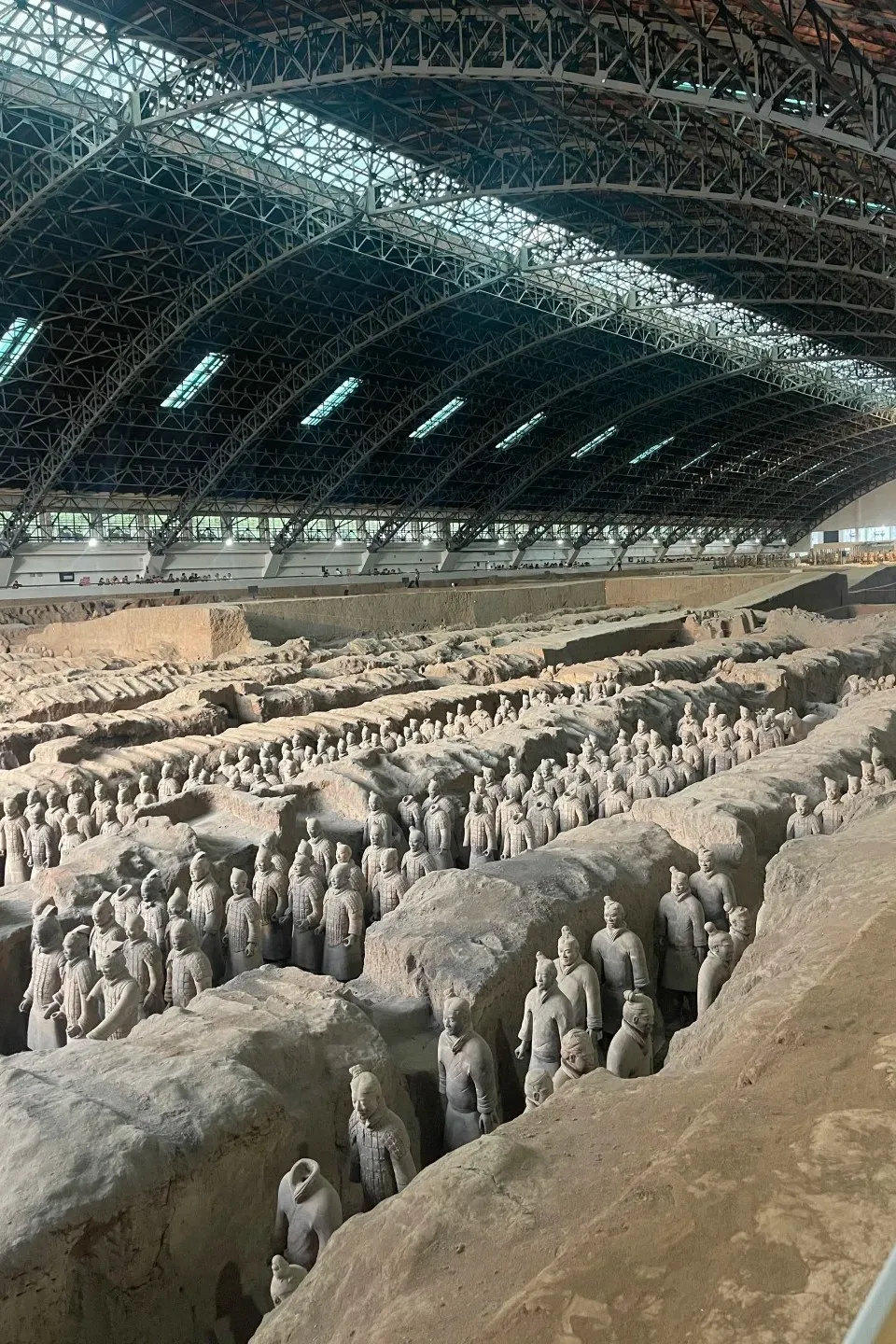
Morning: Arrive at 8:30 AM (when the museum opens) to visit Pit 1 – the largest and most impressive pit with over 6,000 terracotta warriors arranged in battle formation.
Mid-Morning: Explore Pits 2 and 3, which contain cavalry, archers, and command units, and visit the Archaeological Exhibition Hall to see ongoing excavation work.
Afternoon: Visit the Bronze Chariot and Horse Museum to see the exquisite bronze chariots excavated from near the emperor’s mausoleum, and tour the Qin Shi Huang Mausoleum Park.
Late Afternoon: Visit the Terracotta Warriors Museum Exhibition Hall to learn about the history of the discovery and conservation efforts, before returning to Xi’an.
How to Get to Emperor Qinshihuang's Mausoleum Site Museum
- By Tourist Bus: Take bus 306 or 307 from Xi’an Railway Station (approximately 1.5 hours, 7 CNY)
- By High-speed Train: Take the high-speed train from Xi’an North Station to Lintong Station (15 minutes, 10 CNY), then take bus 602 or taxi to the museum (10 minutes)
- By Taxi: Hire a taxi from Xi’an city center (approximately 35 km, 100–150 CNY one way)
- By Tour Group: Join a half-day or full-day tour from Xi’an, which includes transportation, guide, and entrance tickets
Travel Tips
- Book tickets online 1–3 days in advance, especially during peak tourist seasons (April–May, October)
- Arrive early (8:30 AM when gates open) to avoid crowds and long lines at the main pits
- Hire an English-speaking guide (available at the entrance) to fully understand the historical significance of the site
- Wear comfortable walking shoes – the museum complex is large and requires significant walking
- Bring water and snacks, especially during hot weather, but use designated eating areas only
- Visit the souvenir shop for high-quality replicas of terracotta warriors (authentic artifacts cannot be purchased)
- Be prepared for security checks at the entrance – no large bags or dangerous items allowed
FAQ
Q: Why hasn’t Qin Shi Huang’s actual tomb been excavated?
A: Current archaeological technology cannot properly preserve the artifacts inside. Historical records mention mercury rivers and other complex structures that would be damaged by modern excavation methods.
Q: Are the terracotta warriors original or replicas?
A: The warriors on display in the main pits are original artifacts. Some areas show both original and restored pieces, with replicas used only for educational displays.
Q: How long does it take to get from Xi’an to the museum?
A: Approximately 1–1.5 hours by public transportation, depending on traffic conditions. Early morning travel avoids traffic congestion.
Q: Is photography allowed inside the museum?
A: Photography is allowed in most areas but without flash, which can damage the ancient terracotta and paint.
Q: What is the best way to experience the Terracotta Army?
A: Join a guided tour with an English-speaking guide who can explain the history, symbolism, and significance of the site beyond what is displayed on information boards.