China has no single “best month” to visit. The country spans tropical beaches, snowy mountains, high-altitude plateaus, and monsoon-influenced cities—so the ideal time truly depends on where you want to go and what you want to experience.
Spring and autumn are comfortable for many regions, but summer is perfect for mountains and lakes, while winter offers amazing snow destinations and lower prices. This guide helps you choose your travel month based on your route and interests.
Why Timing Matters in China
China covers nearly 5,500 km from north to south, with climates ranging from tropical to sub-arctic.
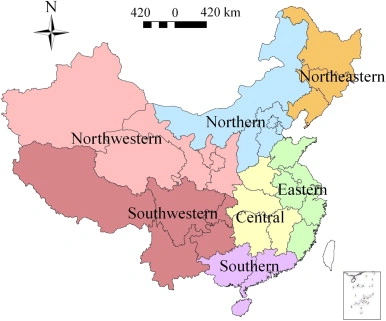
Different regions have very different climates:
- North (Beijing, Xi’an, Harbin): Dry, cold winters; pleasant spring/autumn.
- East (Shanghai, Suzhou): Humid subtropical; rainy “Plum Rain” in June–July.
- South (Guilin, Guangzhou, Hainan): Warm year-round; summer rain and typhoons.
- West (Sichuan West, Tibet, Xinjiang): High altitude; cool summers, cold winters.
- Central (Zhangjiajie, Hunan): Lush mountains; rainy in summer.
This is why your destination matters more than choosing a universally “best” month.
Month-by-Month Guide to China (January–December)
A quick overview of what each month usually looks like:
January
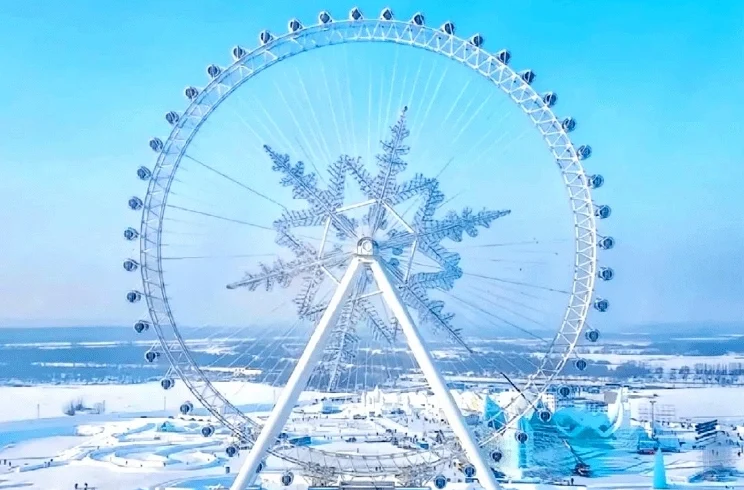
Cold in northern China; clear skies in Beijing; perfect for Harbin Ice Festival.
Great for budget travel and hot springs → Chengdu, Chongqing.
Read More: Best Places to Travel in China in January
February
Still cold in the north; Chinese New Year crowds move across the country.
The scenery improves in Yunnan and Hainan.
Read More: Best Places to Travel in China in February
March
Warming up, flowers start blooming (peach, apricot, canola).
Ideal for Guilin, Suzhou, Hangzhou, and early spring hikes.
Read More: Best Places to Travel in China in March
April
One of the most comfortable months.
Fresh greenery across China; great for Beijing, Xi’an, Chengdu, Yunnan.
Read More: Best Places to Travel in China in April
May
Sunny, warm, lively cities.
Before summer heat—excellent for most itineraries.
Read More: Best Places to Travel in China in May
June
Start of rainy/Plum Rain season in East China.
Perfect for highlands: Yunnan, Sichuan West, Tibet, Xinjiang.
Read More: Best Places to Travel in China in June
July
Hot in major cities, but best month for grasslands, lakes, and mountains.
Ideal for Xinjiang, Qinghai, Daocheng Yading, Siguniangshan.
Read More: Best Places to Travel in China in July
August
Similar to July.
Peak scenery for Huanglong, Jiuzhaigou, and Tibetan areas.
Read More: Best Places to Travel in China in August
September
Clear skies and comfortable temperatures.
One of the best months for almost any route—except around National Day.
Read More: Best Places to Travel in China in September
October
The first week (Oct 1–7) is crowded nationwide.
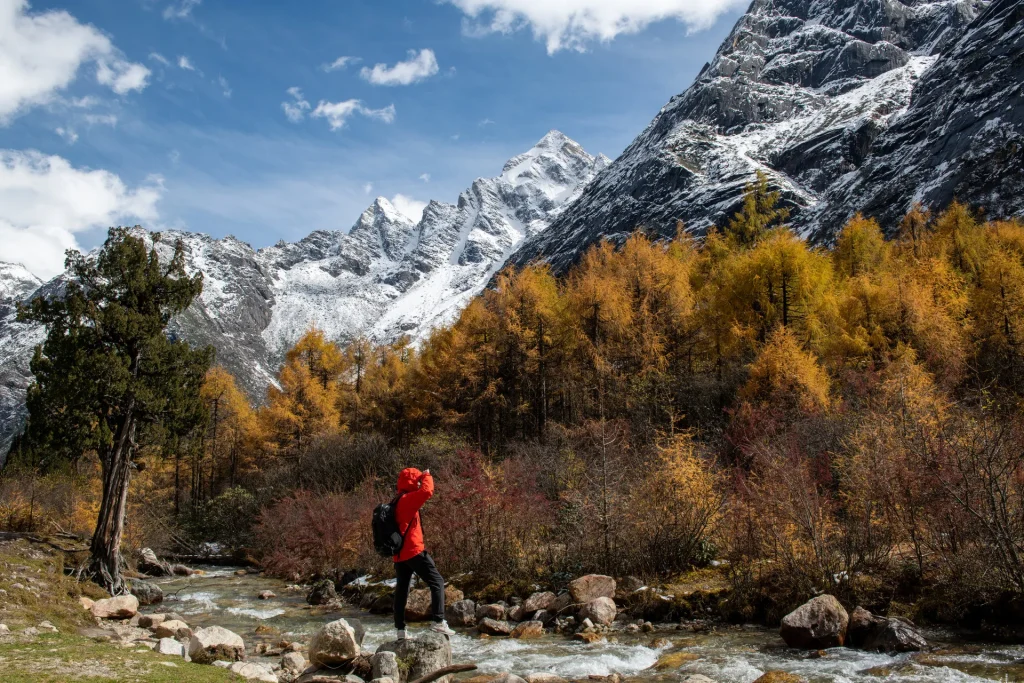
After that: golden forests, crisp air → Great Wall, Zhangjiajie, Jiuzhaigou.
Read More: Best Places to Travel in China in October
November
Cooler weather; fewer crowds.
Great visibility in the mountains; nice for Chengdu, Guilin, Fujian Tulou.
Read More: Best Places to Travel in China in October
December
Cold in the north but dry and sunny.
Ideal for snow cities (Harbin, Altay) and warm escapes (Hainan, Xishuangbanna).
Read More: Best Places to Travel in China in October
Best Time to Visit China by Region
| Region | Best Months | Avoid | Why Visit | Notes |
|---|---|---|---|---|
| Northern China (Beijing, Xi’an, Harbin, etc.) | April–June, September–November | January–February (very cold) | Imperial history, Great Wall hikes, desert edges | Beautiful winter snow; air quality improved in recent years |
| Eastern China (Shanghai, Suzhou, Hangzhou, etc.) | March–May, September–November | June–July (Plum Rain season) | Classical gardens, lakes, modern skylines | Hot and humid in summer |
| Southern China (Guilin, Guangzhou, Hainan, etc.) | March–May, September–November | July–September (typhoons in coastal cities) | Karst mountains, rice terraces, tropical beaches | Hainan is warm year-round |
| Western China (Chengdu, Jiuzhaigou, Tibet, Xinjiang, Qinghai, etc.) | May–October | — | Mountains, lakes, Tibetan culture, grasslands | Jiuzhaigou peak colors in October; Yading & Siguniangshan best Sep–Nov; Xinjiang fruit season Jul–Sep |
| Central China (Zhangjiajie, Hunan, Hubei, etc.) | April–June, September–October | June–July (heavy rain) | Sandstone peaks, glass bridges, lush forests | Best visibility in autumn |

Best Time Based on Travel Interests
Nature & Photography
China has dramatic landscapes that change with each season, so the best timing depends on the scenery you want:
- April–June: Fresh greenery, misty mountains, spring flowers, waterfall season
- September–November: Clear skies, stable weather, golden forests, peak autumn colors
Best places: Jiuzhaigou (autumn lakes), Zhangjiajie (sandstone peaks), Guilin (karst mountains), Huangshan (sea of clouds)
Hiking & Outdoor Adventures
China’s mountain ranges and national parks offer great conditions in shoulder seasons:
- May–June: Comfortable temperatures, good visibility, fewer crowds
- September–October: Best balance of weather + scenery for long-distance hikes
Best places: Siguniangshan (classic alpine trekking), Yading (snow peaks & lakes), Tiger Leaping Gorge (multi-day hike), Mount Emei (cultural + nature), Great Wall (wild sections)
Best Time for Seeing Pandas in Chengdu
Pandas can be seen all year at the Chengdu Research Base of Giant Panda Breeding, but:
- September–April: Cooler weather → pandas are more active
- July–September: Cubs are often visible in the nursery
- Morning visits (8:00–10:00) are best before they start resting
The panda base is accessible year-round and is not strongly affected by seasonal changes.
Culture & Festivals
China’s traditional festivals offer deep cultural experiences, though crowds are common:
- Chinese New Year (Jan/Feb): Lanterns, temple fairs, fireworks
- Harbin Ice Festival (Jan): Ice sculptures & winter events
- Dragon Boat Festival (June): Races, rice dumplings
- Mid-Autumn Festival (Sep/Oct): Mooncakes, night markets, lanterns
These festivals bring unique atmospheres but expect higher prices and busy transit.
Snow & Winter Trips
Winter in China brings snow sports, ice festivals, and more affordable travel in cities:
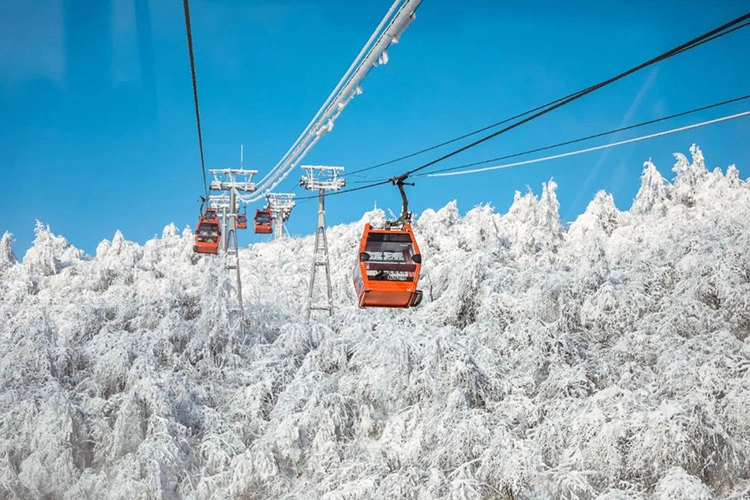
- December–February: Best months for snow landscapes, skiing, and ice activities
Best places:
- Harbin: Ice & Snow Festival
- Altay (Xinjiang): World-class powder snow, skiing
- Xiling Snow Mountain: Popular skiing near Chengdu
- Changbai Mountain: Volcanic crater lake & hot springs
Beaches & Warm Destinations
For warm-weather escapes and tropical scenery:
- November–April: Dry season, mild temperatures, clear water
Best places:
- Hainan Island: China’s top beach destination (Sanya, Haitang Bay)
- Xiamen: Coastal city with island scenery
- Zhuhai: Relaxed beach atmosphere near Macau
These destinations are perfect for avoiding winter cold elsewhere in China.
Best & Worst Times at a Glance
| Category | Best Months | Notes |
|---|---|---|
| Comfortable weather | Apr–Jun, Sep–Nov | Most stable temperatures |
| Best scenery | Oct & Apr–May | Autumn colors + spring bloom |
| Hiking | May–Jun, Sep–Oct | Clear visibility |
| Avoid crowds | Nov–Dec, Jan (not CNY) | Lower prices |
| Avoid travel | CNY, Oct 1–7 | National rush |
| Rainiest time | Jun–Jul | East & South China |
| Snow & winter fun | Dec–Feb | Harbin, Altay, Xiling |
Tips for Choosing the Right Time to Visit China
- Match your destination to its ideal season to enjoy the best scenery and weather.
- Avoid National Day (Oct 1–7) and Chinese New Year (Jan/Feb) to skip heavy crowds and high prices.
- Consider altitude, especially in western China, where highland areas can be cold even during summer.
- Book early for autumn trips because popular national parks and scenic areas fill up quickly.
- Visit pandas in the morning (8–10 AM) when they are most active.
- Pack layers, as temperatures can vary significantly between regions and between day and night.
- Check rainy and typhoon seasons if visiting South or East China in summer.
- Allow extra buffer days for remote destinations like Tibet, Xinjiang, Yunnan, or Sichuan West.
FAQ
Which month is best overall for visiting China?
There is no single “best” month because China’s regions have very different climates.
Autumn (September–November) offers the most stable weather nationwide, but many destinations—like Yunnan, Xinjiang, and coastal cities—also shine in other seasons.
When is China least crowded?
November–December and January (outside of Chinese New Year) are the quietest months.
Airfare and hotel prices are usually lower, and major attractions have fewer visitors.
Is summer good for travel in China?
Yes—if you choose the right destinations.
Summer is ideal for mountains, lakes, and western China where temperatures stay cooler, such as Xinjiang, Qinghai, Yunnan, and Sichuan West.
Cities in the east can be hot and humid.
When is the rainy season in China?
June–September is the rainy and typhoon season for southern and eastern China.
Expect short but intense showers; many trips are still manageable with flexible planning.
When is the best time to see pandas?
Pandas can be seen all year in Chengdu.
They are most active in the morning (8:00–10:00 AM) and tend to rest more during warm afternoons.
Cooler months from September to April usually offer livelier behavior.