




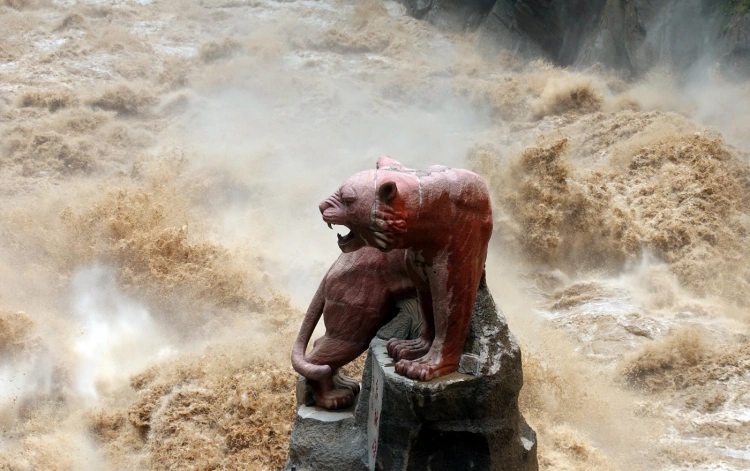

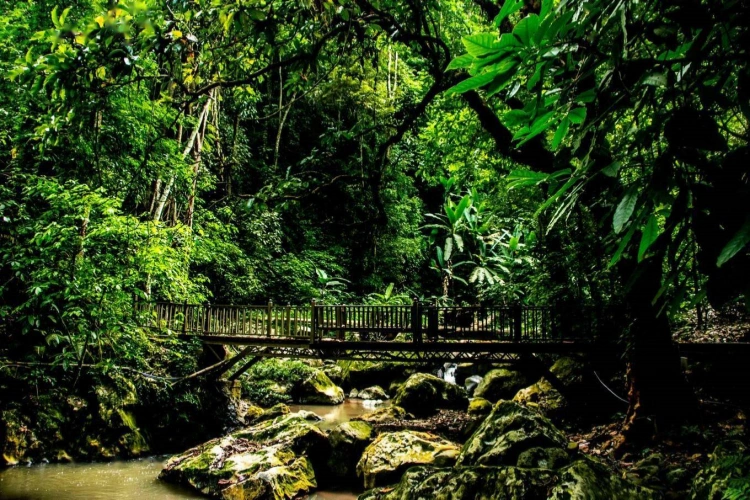

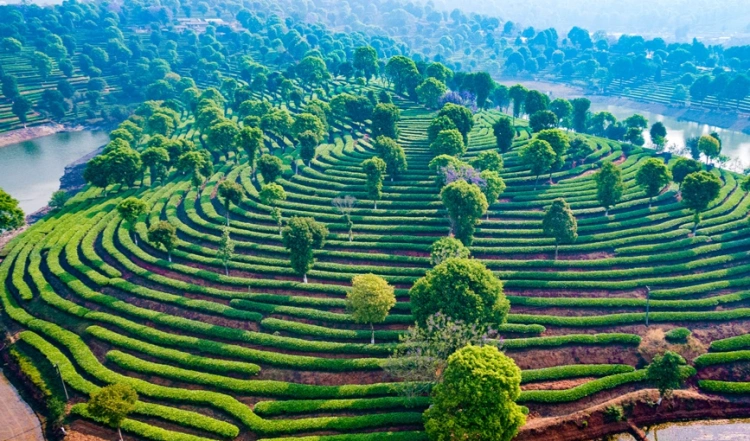
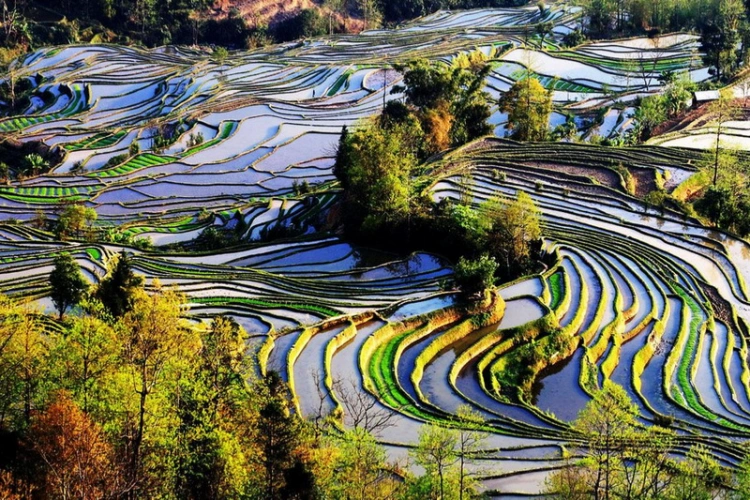

Yunnan, tucked in China’s southwest, is a dreamland of snow-capped peaks, ancient towns, and diverse ethnic cultures. From the fairytale streets of Lijiang to the misty tea mountains of Xishuangbanna, every corner of Yunnan tells a different story. Whether you’re chasing sunshine in winter or hiking along Tiger Leaping Gorge, this province rewards every traveler with breathtaking landscapes and authentic encounters.
Overview
- Chinese Name: 云南省 (Yúnnán Shěng)
- Location: Southwest China
- Capital City: Kunming
- Area: Approximately 394,000 km²
- Population: Around 49 million (2025 estimate)
- Neighboring Regions: Sichuan (north), Guizhou (east), Guangxi (southeast), Tibet (northwest); borders Myanmar, Laos, and Vietnam (south)
- Geography: Diverse landscapes ranging from tropical rainforests to snow-capped mountains; high plateaus in the northwest and river valleys in the south
- Climate: Generally mild with large variations by altitude — spring-like in Kunming, tropical in Xishuangbanna, and alpine in Shangri-La
- Famous For: Dali Old Town, Lijiang Ancient Town, Shangri-La, Stone Forest, Erhai Lake, Tiger Leaping Gorge, and Pu’er tea
- UNESCO Sites: Old Town of Lijiang, Three Parallel Rivers of Yunnan Protected Areas, Chengjiang Fossil Site, and Hani Rice Terraces of Honghe
Where Is Yunnan?
Yunnan Province lies in southwest China, bordering Myanmar, Laos, and Vietnam. It’s one of China’s most geographically and culturally diverse regions — stretching from the snow-capped mountains of Shangri-La in the north to the tropical rainforests of Xishuangbanna in the south.
The provincial capital, Kunming, known as the “City of Eternal Spring,” serves as the main gateway to explore Yunnan’s scenic landscapes, ancient towns, and ethnic minority cultures.
When to Visit Yunnan
Yunnan is a year-round destination thanks to its mild climate and diverse altitudes. The best time to visit is March–May and September–November, when the weather is clear and comfortable across most regions.
- Spring (Mar–May): Ideal for flowers, trekking, and photography — Dali and Lijiang are especially beautiful.
- Summer (Jun–Aug): Lush green landscapes and lively festivals, though expect some rain in Kunming and Dali.
- Autumn (Sep–Nov): Blue skies, harvest scenery, and great conditions for Tiger Leaping Gorge hikes.
- Winter (Dec–Feb): Warm in Kunming and Xishuangbanna, snowy and scenic in Shangri-La — perfect for those seeking a mild winter escape.
| Season | Highlights | Average Temp |
|---|---|---|
| Spring (Mar–May) | Flowers bloom, Dali & Lijiang at their best | 10–25 °C |
| Summer (Jun–Aug) | Lush scenery, some rain, ideal for photographers | 18–28 °C |
| Autumn (Sep–Nov) | Clear skies, golden harvest fields | 12–25 °C |
| Winter (Dec–Feb) | Mild in Kunming & Xishuangbanna, snowy peaks in Shangri-La | 5–20 °C |
Tip: Pack for changing temperatures — it can be tropical in the south and chilly in the highlands on the same trip.
Things to Do in Yunnan
Yunnan offers a stunning mix of natural beauty, ancient heritage, and ethnic diversity — making it one of China’s most rewarding provinces to explore.
1. Stroll Through Lijiang Old Town
Wander the cobblestone lanes of this UNESCO World Heritage Site, famous for Naxi architecture, canals, and lively local markets. Don’t miss Jade Dragon Snow Mountain nearby for panoramic views.
2. Cycle Around Erhai Lake in Dali
Rent a bike and ride along the peaceful lakeshore lined with Bai villages, temples, and flower fields — a perfect way to enjoy Dali’s laid-back charm.
3. Hike Tiger Leaping Gorge
One of China’s most breathtaking trekking routes — dramatic cliffs, roaring rivers, and guesthouses perched above the valley make this a bucket-list experience.
4. Discover Shangri-La’s Tibetan Culture
Visit Songzanlin Monastery, explore the old town, and take a short trip to Pudacuo National Park to enjoy highland lakes and meadows.
5. Explore Xishuangbanna’s Tropical Rainforests
Meet elephants at the Wild Elephant Valley, walk the rainforest canopy bridge, and experience the Dai people’s Water Splashing Festival in April.
6. Visit Tea Plantations in Pu’er
Learn about China’s most famous fermented tea, stroll through mountain tea gardens, and taste freshly brewed Pu’er tea at its origin.
7. Photograph Yuanyang Rice Terraces
Catch the sunrise over the mirror-like rice terraces — one of China’s top photography destinations and a living masterpiece of the Hani people.
What to Taste in Yunnan
Yunnan’s cuisine is as colorful and diverse as its landscapes. Influenced by its many ethnic groups and fresh mountain produce, Yunnan food combines fragrant herbs, mushrooms, rice noodles, and chili with a light, refreshing balance.

“Crossing-the-Bridge” Rice Noodles (过桥米线)
Yunnan’s signature dish — a steaming bowl of chicken broth served with thinly sliced meat, egg, and rice noodles to mix yourself. Found everywhere from Kunming to Lijiang.

Wild Mushroom Hotpot (野生菌火锅)
A seasonal favorite using Yunnan’s rich variety of wild mushrooms — from porcini to matsutake — simmered in a fragrant, earthy broth.

Dali Sour & Spicy Fish
A Bai ethnic specialty cooked with tomatoes, pickled vegetables, and local spices — tangy, hearty, and perfect with rice.

Fried Goat Cheese (乳扇)
A crispy local snack from Dali — handmade cheese strips grilled or fried and served with rose jam or honey.
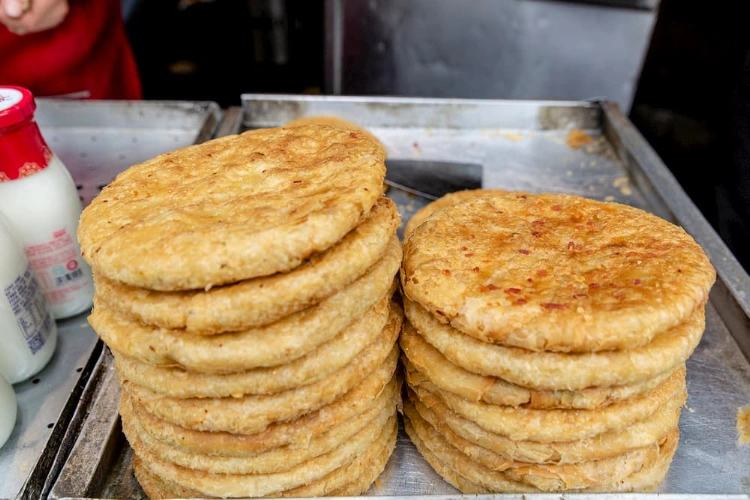
Yunnan BBQ & Street Snacks
In Lijiang and Kunming’s night markets, try grilled tofu, spicy skewers, or potato pancakes — smoky, spicy, and addictive.

Pu’er Tea (普洱茶)
The pride of southern Yunnan — fermented, aged tea leaves that produce a deep, mellow flavor. A cultural ritual as much as a drink.

Itineraries in Yunnan
Whether you have just a few days or two weeks, Yunnan offers countless ways to experience its beauty — from ancient towns to tropical rainforests and Tibetan highlands. Here are some classic and themed routes to inspire your journey.
4–5 Days: Classic Highlights
- Kunming – Dali – Lijiang
Perfect for first-time visitors. Discover the Stone Forest near Kunming, explore Dali’s Erhai Lake, and stroll through Lijiang’s UNESCO old town.
Ideal for: culture lovers and light explorers.
7–8 Days: Nature & Culture Discovery
- Dali – Lijiang – Shangri-La
Travel from serene lakes to Tibetan plateau landscapes. Visit Tiger Leaping Gorge, Songzanlin Monastery, and the meadows of Pudacuo National Park.
Ideal for: couples, families, and photographers.
10–12 Days: Grand Yunnan Adventure
- Kunming – Dali – Lijiang – Shangri-La – Xishuangbanna
Experience Yunnan’s full diversity — from subtropical rainforests to high mountain passes.
Ideal for: in-depth travelers seeking contrast and culture.
7 Days: Southern Yunnan & Tea Culture
- Kunming – Pu’er – Xishuangbanna
Visit tea plantations, tropical gardens, and Dai minority villages. Learn how Pu’er tea is grown and fermented.
Ideal for: tea lovers and warm-climate escapes.
Yunnan Tour Transport
Getting around Yunnan is part of the adventure — with scenic train rides, mountain roads, and short flights linking its diverse regions. Because of its varied terrain, most travelers combine high-speed trains, private transfers, and short domestic flights for comfort and efficiency.
By Air
- Kunming Changshui International Airport (KMG) is Yunnan’s main gateway, with direct flights from major Chinese cities and some international routes.
- Regional airports in Lijiang, Dali, Shangri-La, and Xishuangbanna make one-way or multi-city trips easy.
- Recommended for long distances (e.g., Kunming ↔ Xishuangbanna or Shangri-La).
By High-Speed Train
- Modern trains connect Kunming, Dali, and Lijiang, offering fast, scenic, and comfortable journeys.
- Travel time: Kunming–Dali ≈ 2 h 30 m; Dali–Lijiang ≈ 1 h 20 m.
- A great option for visitors who enjoy independent travel or guided transfers at each station.
By Private Car or Minivan
- Ideal for reaching remote attractions like Tiger Leaping Gorge, Shangri-La’s monasteries, or Yuanyang Rice Terraces.
- Allows flexible stops for photography and local experiences.
- All CDEBTrip Yunnan tours include private vehicles with professional local drivers.
By Bus
- Long-distance buses operate between smaller towns, but they can be slower and less comfortable — best suited for adventurous travelers or locals.
Altitude & Road Tips
- Roads between Dali, Lijiang, and Shangri-La wind through high mountains — plan rest breaks for comfort.
- In high-altitude areas, avoid rushing your itinerary and stay hydrated.
FAQ
1. Is Yunnan worth visiting?
Absolutely! Yunnan is one of China’s most diverse and scenic provinces — combining snow-capped mountains, tropical rainforests, and ancient towns rich in ethnic culture.
2. What’s the best time to visit Yunnan?
The ideal months are March–May and September–November, with pleasant temperatures and clear skies. Winter (Dec–Feb) is also great for mild-weather trips to Kunming or Xishuangbanna.
3. Will I experience altitude sickness in Yunnan?
Only in high-altitude areas such as Shangri-La or Tiger Leaping Gorge (over 3,000 m). Rest on arrival, drink plenty of water, and avoid strenuous activities the first day.
4. Do you provide English-speaking guides?
Yes. All our Yunnan private tours include licensed English-speaking local guides familiar with both culture and logistics.
5. Can I travel between Yunnan and other provinces easily?
Yes — Yunnan connects well with Sichuan, Guizhou, and Guangxi by high-speed train or short flight. Many travelers combine Chengdu and Yunnan in one journey.
6. What should I pack for a Yunnan trip?
Layered clothing for changing temperatures, a light rain jacket, sun protection, and comfortable walking shoes. Include warm gear if visiting Shangri-La or other highlands.
7. Are Yunnan tours suitable for families or seniors?
Definitely. Our itineraries can be customized for comfort — with slower paces, accessible hotels, and private transfers.
8. What happens if my visa is refused?
If your visa is rejected due to personal reasons or incomplete documents, cancellations will be handled according to our standard refund policy.