




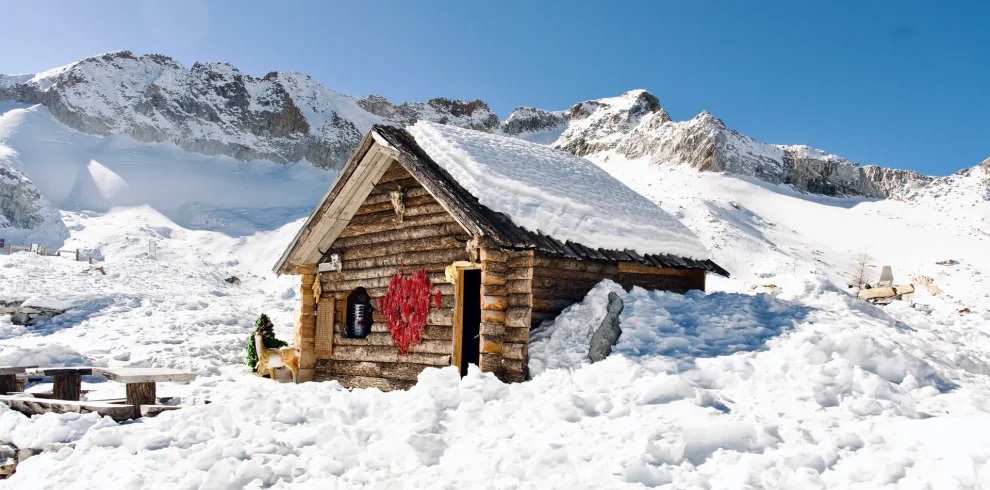
Nestled in southwest China, Sichuan Province is a land of breathtaking mountains, ancient temples, and world-famous spicy cuisine. Home to adorable giant pandas, misty Mount Emei, and the dazzling turquoise lakes of Jiuzhaigou, it offers a perfect blend of nature, culture, and flavor. Whether you’re seeking serene monasteries, highland adventures, or fiery hotpot feasts in Chengdu’s teahouses, Sichuan promises a journey as rich and colorful as its landscapes.
Overview
- Chinese Name: 四川省 (Sìchuān Shěng)
- Location: Southwest China
- Capital City: Chengdu
- Area: Approximately 485,000 km²
- Population: Around 83 million (2025 estimate)
- Neighboring Regions: Tibet (west), Yunnan (south), Guizhou (southeast), Chongqing (east), Shaanxi (northeast), Gansu and Qinghai (north)
- Geography: Eastern Sichuan Basin with fertile plains; western region features high mountains, grasslands, and Tibetan cultural areas
- Climate: Subtropical and humid; mild winters and warm, rainy summers
- Famous For: Giant pandas, spicy Sichuan cuisine, Mount Emei, Leshan Giant Buddha, Jiuzhaigou Valley, and Sichuan opera
- UNESCO Sites: Jiuzhaigou Valley, Huanglong Scenic Area, Mount Emei, and Leshan Giant Buddha
Where is Sichuan?
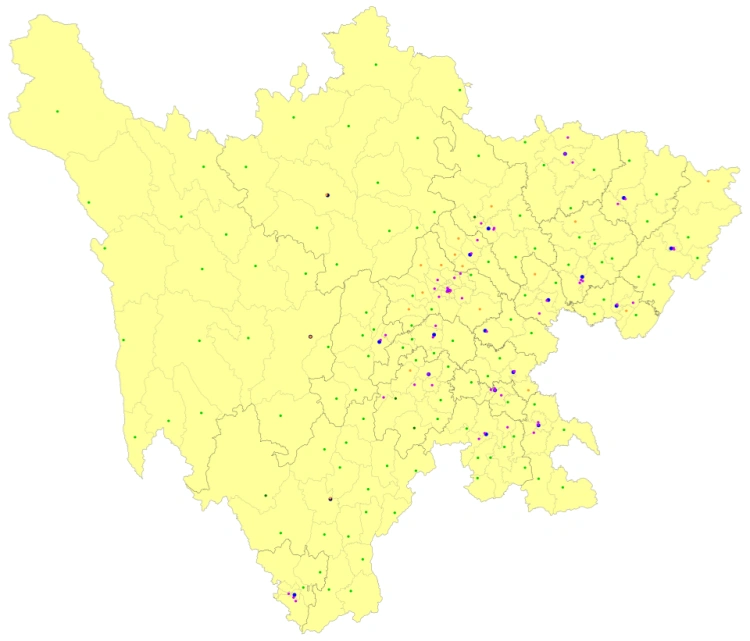
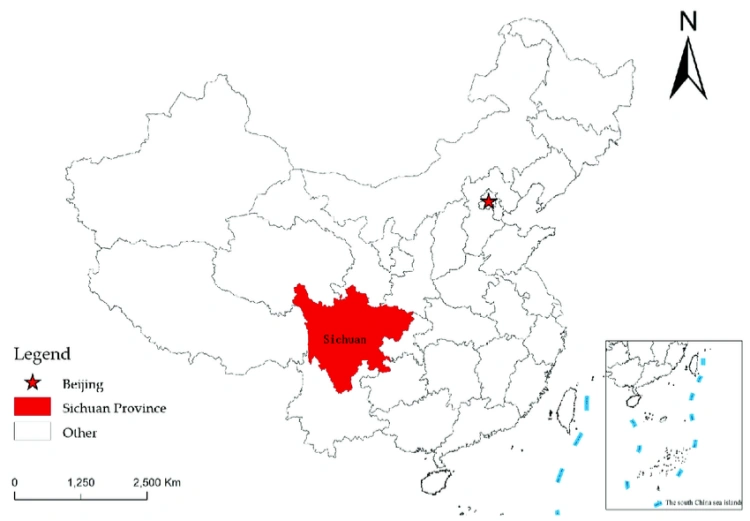
Sichuan Province lies in the heart of Southwest China, serving as a bridge between the country’s eastern lowlands and the Tibetan Plateau. It is bordered by Tibet to the west, Yunnan to the south, Guizhou and Chongqing to the east, Shaanxi to the northeast, and Gansu and Qinghai to the north.
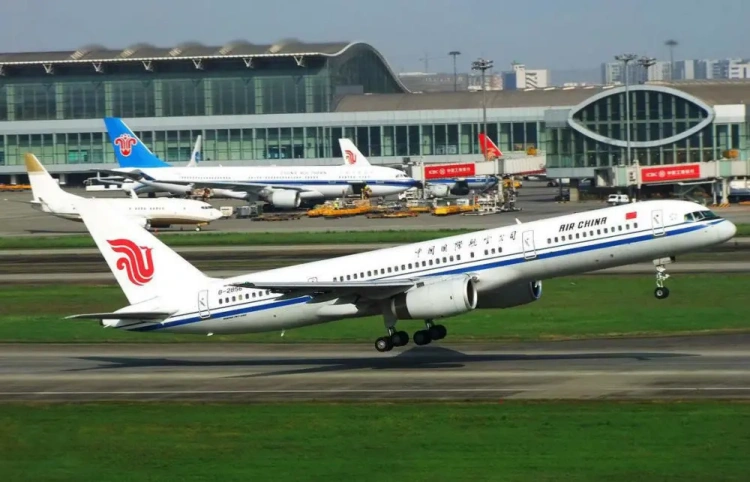
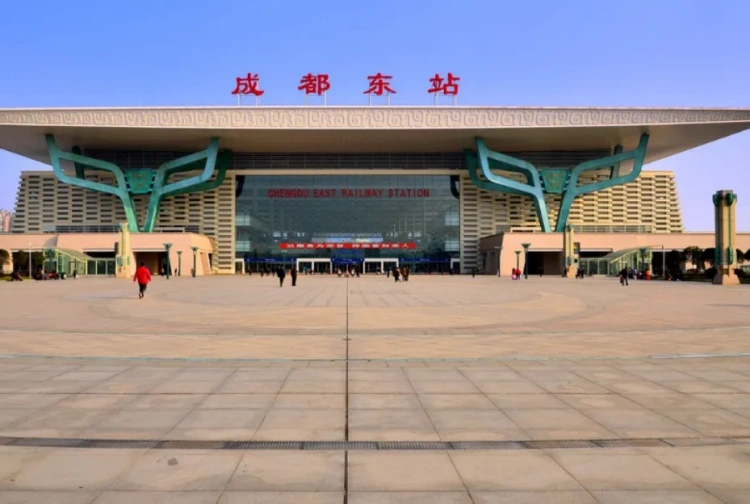
The provincial capital, Chengdu, is one of China’s most important transport hubs and cultural centers, offering easy connections by air and high-speed rail to major cities across the country. The province’s terrain transitions dramatically from the fertile Sichuan Basin in the east to the snow-capped mountains and high plateaus of western Sichuan.
Its central location makes Sichuan a convenient starting point for exploring both western China and the upper Yangtze River region. You can embed a Google Map here to visually highlight its position within China.
When to Visit Sichuan?
Best Time to Visit: March to May and September to November are the most pleasant months to explore Sichuan, with mild temperatures, clear skies, and colorful scenery. Spring brings blooming flowers and lively local festivals, while autumn offers golden foliage and comfortable weather for mountain travel.
Summer (June–August): Warm and humid in the Chengdu Plain but ideal for highland destinations like Kangding, Tagong, and Jiuzhaigou, where the alpine meadows are lush and green.
Winter (December–February): Mild in the basin but cold and snowy in western regions. It’s a peaceful time to enjoy hot springs and fewer crowds at major attractions.
Average Temperatures:
- Chengdu: 6–12 °C in winter, 22–32 °C in summer
- Jiuzhaigou: −5–5 °C in winter, 15–25 °C in summer
- Kangding (Western Sichuan): −10–15 °C in winter, 10–22 °C in summer
In short, visit in spring or autumn for the most comfortable weather and the best visibility for photography and outdoor sightseeing.
Things to Do in Sichuan
- Huanglong Scenic Area: Known for its terraced turquoise pools and snow-capped peaks, this UNESCO site pairs perfectly with a Jiuzhaigou visit.
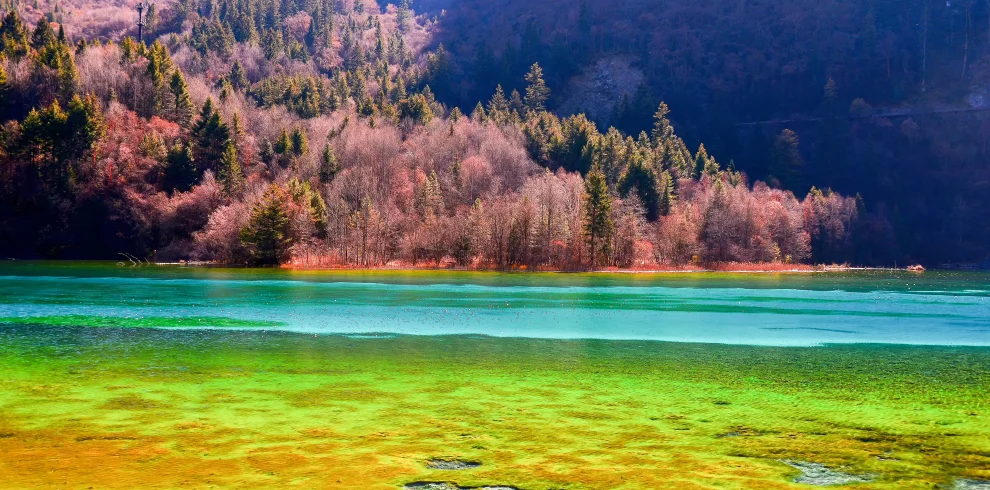
- Jiuzhaigou Valley National Park: A UNESCO World Heritage site famous for its crystal-clear lakes, multi-tiered waterfalls, and colorful forests — especially stunning in autumn.
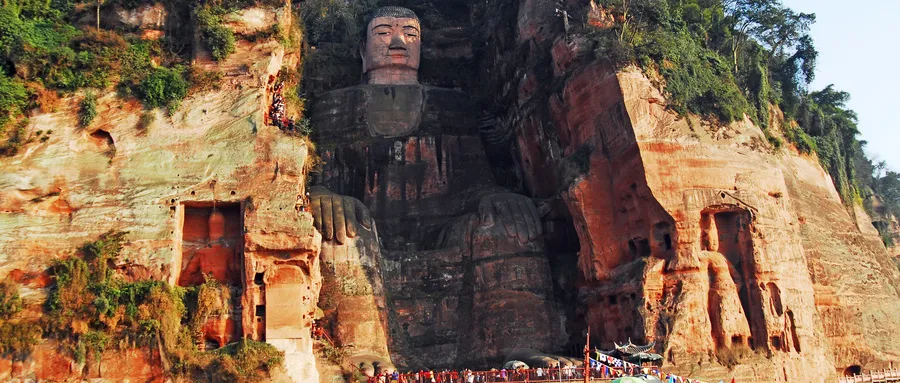
- Leshan Giant Buddha: The world’s largest stone Buddha (71 meters tall) carved into a riverside cliff, overlooking the confluence of three rivers.
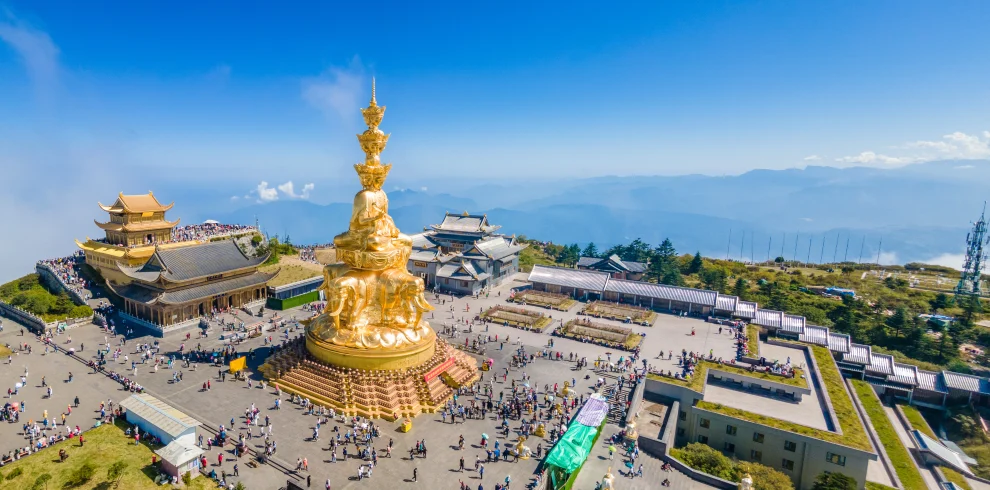
- Mount Emei: One of China’s four sacred Buddhist mountains, featuring ancient temples, scenic hiking trails, and sunrise views from the Golden Summit.
- Chengdu Research Base of Giant Panda Breeding: See China’s beloved giant pandas in a natural, well-maintained environment just 30 minutes from downtown Chengdu.
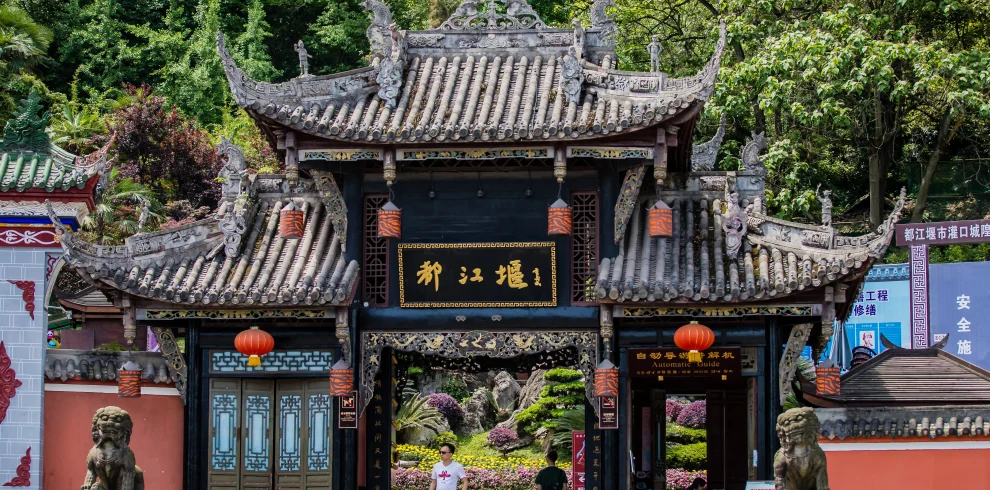
- Dujiangyan Irrigation System: A 2,000-year-old engineering marvel and UNESCO site that still controls Chengdu’s water supply — visit the scenic park and nearby Qingcheng Mountain.
- Western Sichuan Tibetan Villages: Discover the highland beauty of Kangding, Tagong, and Danba, where Tibetan culture and traditional stone villages meet dramatic alpine scenery.
- Sichuan Hot Springs: Relax in natural thermal waters at Emei, Hailuogou Glacier Park, or Kangding after a day of exploration.
What to Taste in Sichuan?
Sichuan’s culture is a vibrant mix of history, creativity, and spice — much like its cuisine. The province is known for its laid-back lifestyle, lively teahouse culture, and expressive art forms such as Sichuan Opera with its famous “face-changing” performances. Influences from Han, Qiang, and Tibetan communities give the region a unique cultural depth, reflected in its festivals, folk crafts, and local architecture.
Signature Foods to Try:

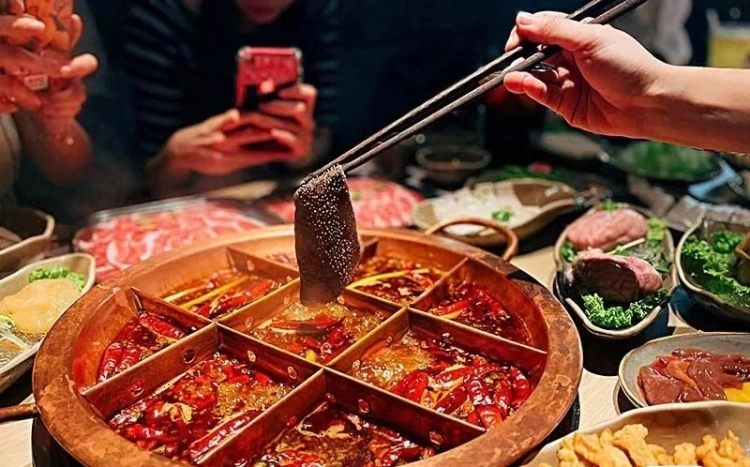
Sichuan Hotpot (火锅)
A bubbling pot of chili-laden broth where you cook meats and vegetables — a true communal dining experience.
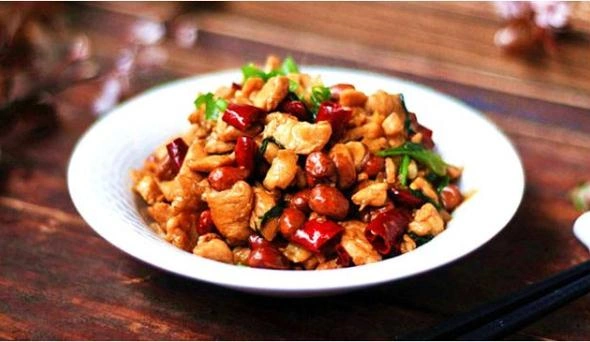
Kung Pao Chicken (宫保鸡丁)
Tender chicken stir-fried with peanuts, dried chilies, and a tangy-sweet glaze.
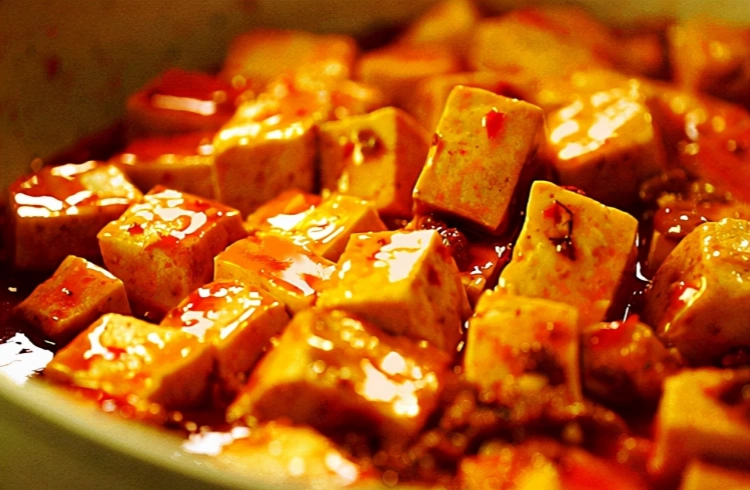
Mapo Tofu (麻婆豆腐)
Silky tofu in a spicy bean-paste sauce that perfectly captures Sichuan’s numbing “mala” flavor.
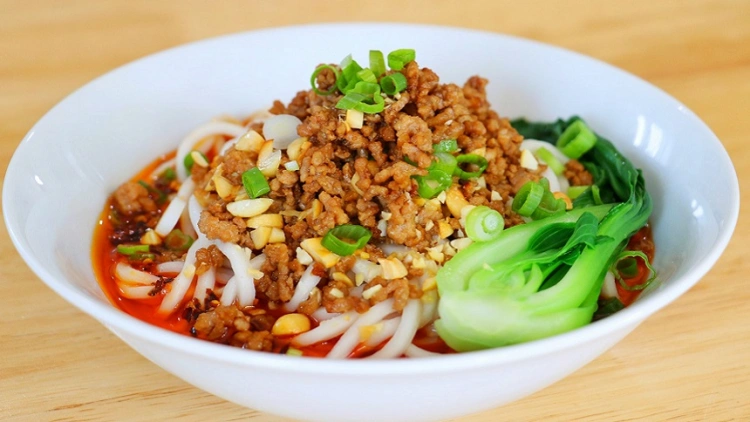
Dan Dan Noodles (担担面)
Spicy noodles topped with minced pork, chili oil, and sesame paste — a Chengdu street-food classic.
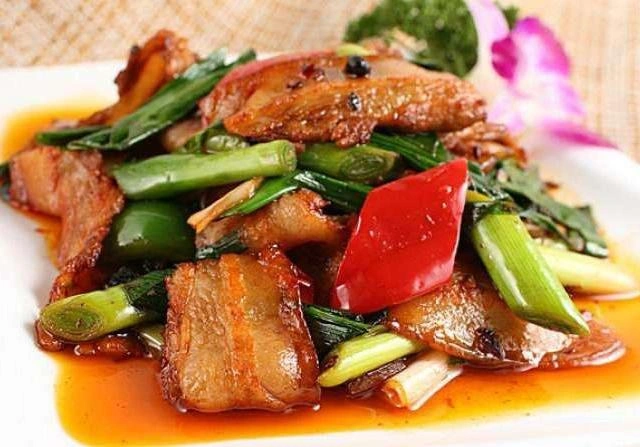
Twice-Cooked Pork (回锅肉)
Sliced pork belly stir-fried with leeks and broad-bean chili paste.
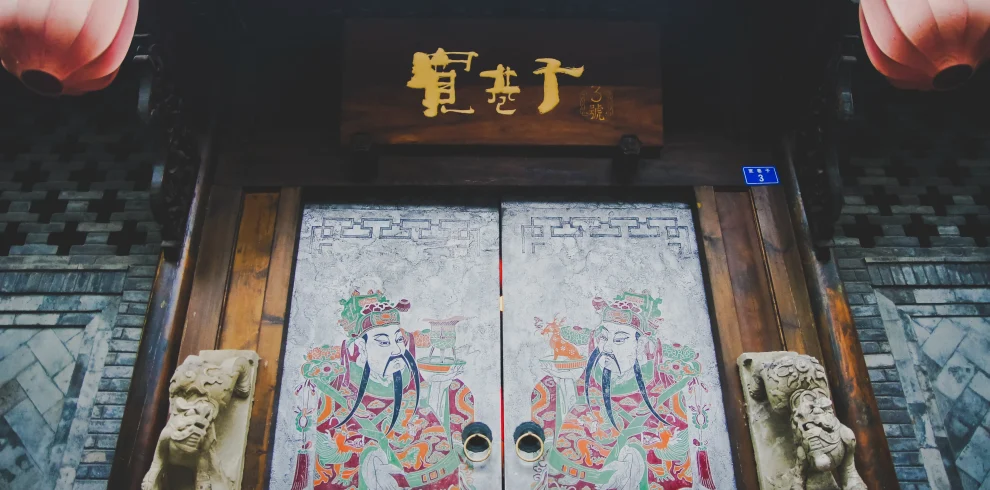
Tea culture is deeply rooted here — locals spend hours chatting in open-air teahouses over a cup of jasmine or green tea. Don’t miss watching locals play mahjong or enjoying an evening performance at a traditional teahouse in Chengdu.
Itineraries in Sichuan
3-5 Days — Chengdu Highlights
Start in Chengdu, the capital of Sichuan. Visit the Giant Panda Breeding Research Base in the morning, stroll through People’s Park and enjoy local life over a cup of tea. Explore Jinli Ancient Street and Wuhou Shrine for insights into the Three Kingdoms era. Take a day trip to the Leshan Giant Buddha by high-speed train or private car, and return for a spicy Sichuan hotpot dinner.
5–7 Days — Sichuan Classics
Discover the province’s iconic cultural and natural sites. Begin in Chengdu, then travel to Leshan and Mount Emei for Buddhist heritage and mountain views. Continue to Dujiangyan and Qingcheng Mountain for Taoist culture and ancient engineering marvels. End with a day in Chengdu for shopping and opera performances.
8–10 Days — Western Sichuan Adventure
For mountain lovers, head west from Chengdu toward Kangding and Tagong, gateway to the Tibetan Plateau. Visit monasteries, yak pastures, and local Tibetan villages. Continue to Danba for its photogenic stone watchtowers, or further north to Siguniang (Four Sisters) Mountain for scenic hiking. This route offers some of the most diverse landscapes and cultures in all of China.
Sichuan Tour Transport
Getting to Sichuan: The province’s main gateway is Chengdu, which has two international airports — Tianfu International Airport (TFU) for long-haul and international routes, and Shuangliu International Airport (CTU) for domestic and regional flights.
Chengdu is also a major high-speed rail hub linking Sichuan with cities such as Chongqing, Xi’an, Kunming, and Guiyang.
Getting Around Within Sichuan:
- High-Speed Trains: Connect Chengdu with Leshan, Emeishan, Mianyang, Deyang, and other major cities. The Chengdu–Leshan–Emeishan line is ideal for day trips.
- Private Car or Driver: Recommended for Jiuzhaigou, Huanglong, and Western Sichuan regions (Kangding, Tagong, Danba) where public transport is limited.
- Buses: Long-distance coaches cover most tourist towns, though travel times can be long due to mountainous terrain.
Metro & City Transport: Chengdu has an extensive metro system and convenient Didi ride-hailing services.
Travel Tips: Always check weather and road conditions before heading to high-altitude areas. For Jiuzhaigou or Western Sichuan, it’s best to book private transfers or small-group tours for comfort and flexibility.
FAQ
What is Sichuan famous for?
Sichuan is best known for its giant pandas, bold spicy cuisine, and stunning natural landscapes such as Jiuzhaigou Valley and Mount Emei. The province also has a rich cultural heritage, blending Buddhist, Taoist, and Tibetan influences.
How many days are recommended for a Sichuan trip?
Spend at least 3–4 days for Chengdu and nearby highlights like the Leshan Giant Buddha. To include Mount Emei or Jiuzhaigou, plan 7–10 days. A full Western Sichuan loop may take 10–12 days due to longer travel times.
Is Sichuan safe for foreign travelers?
Yes. Sichuan is generally safe and foreigner-friendly. Major cities such as Chengdu are modern and well-connected. Always check local advisories when traveling to remote mountain regions and carry your passport for hotel registration and checkpoints.
Can you arrange English-speaking guides?
Yes — CDEBTrip works with licensed, experienced English-speaking guides in Chengdu and all major scenic areas, including Jiuzhaigou, Mount Emei, and Danba. Multi-language guide options are also available upon request.
What’s the best way to see pandas?
Visit the Chengdu Research Base of Giant Panda Breeding early in the morning (around 8:00–10:00 AM) when pandas are most active. For a quieter, more immersive experience, consider a day trip to the Dujiangyan Panda Valley or Wolong Panda Reserve.
Can I visit Tibet from Sichuan?
Yes. Chengdu is the main gateway for flights and overland tours to Lhasa and western Tibet. Travel permits are required for foreign travelers, which CDEBTrip can help arrange as part of your itinerary.